Paris by Arrondissement: A Neighbourhood Guide for First-Time Visitors
Last updated February 2026
Paris can feel overwhelming at first, and is a trip best planned in advance. With the 20 arrondissements, referred to as the “twenty little cities”, spiralling out from the city centre, it’s not always obvious where to stay, wander, or spend your time. Each arrondissement has its own personality, from iconic landmarks to quiet residential pockets and lively, café-filled areas. My friend who has lived in Paris for 15 years has shared all of this insider information with me, shoutout Dom! This Paris arrondissement guide helps you understand how the city is laid out, what each neighbourhood feels like, and who it’s best suited for. For more Paris information, like best things to do and when to go, check out my full Paris Travel Guide here. For the best eats in each arrondissement, check out my Paris Food & Nightlife Guide by arrondissement (coming soon!).
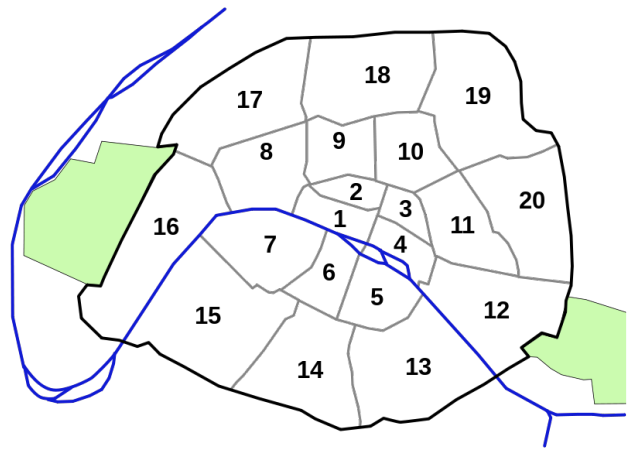
For my visual learners out there, this map below shows a simple layout of the arrondissements in Paris. They form a spiral, starting from the 1st arrondissement in the centre of the city, and running in a clockwise direction until the 20th arrondissement in the east.
1st – Le Louvre
Vibe: classic Paris, elegant, museum-heavy
Best for: first-timers, walk-everywhere travellers, don’t mind being in the heart of busy-ness
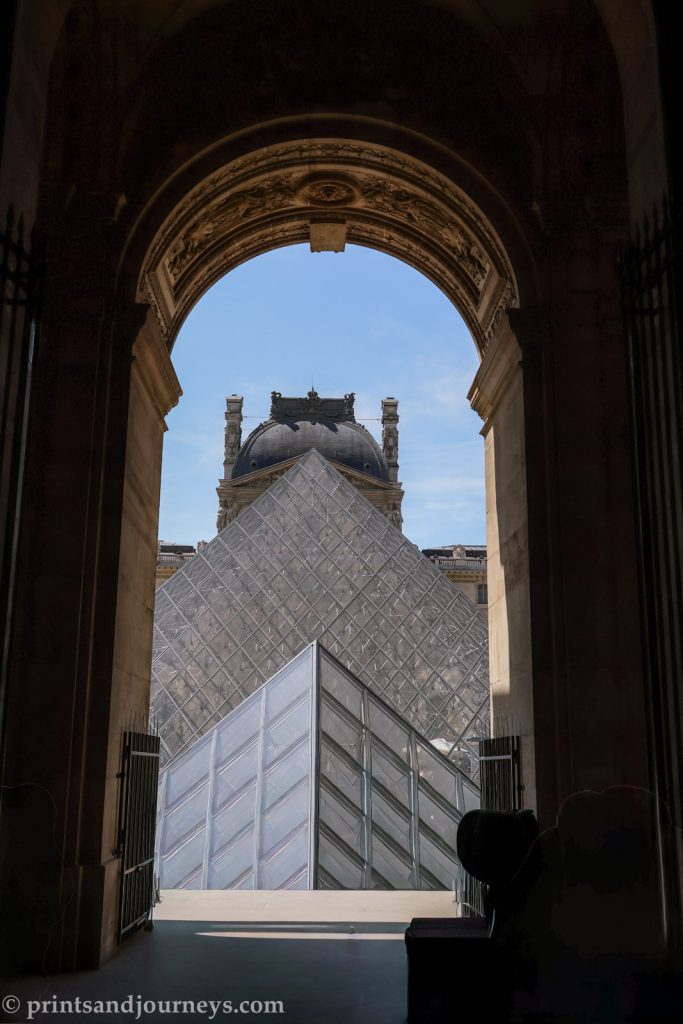
The 1st arrondissement sits right at the heart of Paris and feels unmistakably iconic, although very small. The 1st is home to the Louvre and the Tuileries Garden, and this area is polished, historic, and very central. The Louvre, now home to the world-famous museum, was originally a royal palace and the heart of France’s monarchy before Louis XIV moved the court to Versailles. Staying here is ideal if you want to be close to major landmarks and don’t mind a busier, more tourist-oriented feel, but finding accommodation in this area is difficult and expensive. We actually stayed in the first, in a very small walk up 7th floor apartment above a busy shopping street. It worked, and was a great location for us to wander around Paris on foot, but it was TINY!
2nd – La Bourse
Vibe: heart of Paris, historic passages, local energy
Best for: repeat visitors, food lovers, those who like a neighbourhood feel
The 2nd arrondissement, often called Bourse after the historic stock exchange that once dominated the area, mixes lively streets, historic covered passages, and a local, lived-in Parisian vibe. Less touristy than its neighbours, it feels more local and lived-in while still being incredibly central. This is a great area if you want to stay close to everything but experience a more everyday Parisian rhythm. The 2nd offers a central location with a more local, lived-in vibe, and you’ll find more mid-range hotels and boutique stays than in the 1st.
3rd – Le Marais (North)
Vibe: calm Le Marais, historic, artsy
Best for: slow travellers, design lovers, museum fans
Often grouped with the 4th as part of Le Marais, the 3rd arrondissement is the quieter, more residential side of the neighbourhood. With elegant old mansions, small museums, and cobblestone streets, it’s perfect for wandering at a slower pace, exploring art galleries, or soaking up a more understated, residential Parisian atmosphere. Accommodations here are smaller and charming, mostly boutique hotels or apartments, perfect for those who want a quieter, artsy stay.
4th – Le Marais (South)
Vibe: vibrant, walkable, postcard-pretty
Best for: first-timers, walkers, café lovers
One of the oldest and most charming quartiers of Paris. The favoured neighbourhood of the aristocracy from the 13th to the 17th centuries, today it’s where you’ll find trendy shops, the liveliest alternative community, the centre of the Jewish community, the City Hall, and thousands of Parisians out for Sunday brunch. The 4th is lively and popular, so hotels and rentals fill up quickly, and prices tend to be higher than the 3rd because of its bustling streets and prime location.
5th – Latin Quarter
Vibe: academic, historic, village-like
Best for: book lovers, history buffs, quieter stays
The Latin Quarter may be the most well-known district of Paris and home to the universities. In fact, the name of the quartier dates back to Roman times when the language spoken by the students at the universities was Latin. It’s where you’ll find vestiges of Roman Paris, the winding cobblestone streets of old Paris, and some of the best food markets in the city. The Latin Quarter has a mix of budget and mid-range options, including guesthouses and boutique hotels, making it a good choice for culture lovers who want a slightly more relaxed area.
6th – Saint German des Prés
Vibe: timeless, literary, refined, quietly chic
Best for: café hopping, book lovers, romantics, travellers who want a “classic Paris” experience
The 6th arrondissement is one of Paris’s most classic and charming neighbourhoods. One of the prettiest areas in Paris, Saint-Germain-de-Prés was, in the 19th century and the earlier part of the 20th century, the haunt of both the French existentialists and the Americans of the Lost Generation. Today it remains an attractive residential quartier, with some of the nicest shopping streets. Think elegant streets, historic cafés, independent bookstores, and an unmistakably intellectual, old-soul Parisian feel. It’s home to the Luxembourg Gardens and some of the city’s most iconic cafés.
7th – Le Septiem/Eiffel Tower
Vibe: elegant, refined, classic, postcard-perfect
Best for: first-timers, museum lovers, romantics, Eiffel tower views
One of the most attractive residential neighbourhoods, and home to some of the grand symbols of Paris. Look beyond that and you’ll find narrow yet wealthy residential streets, tree-lined parks, the banks of the Seine, and the services Parisian need for their daily lives. It’s also home to world-class museums like the Musée d’Orsay and Musée Rodin, making it a great area for slow sightseeing and scenic walks.
8th – Champs-Élysées
Vibe: Glamorous, flashy, high-end, high-energy
Best for: Luxury shopping, upscale nightlife, iconic hotels
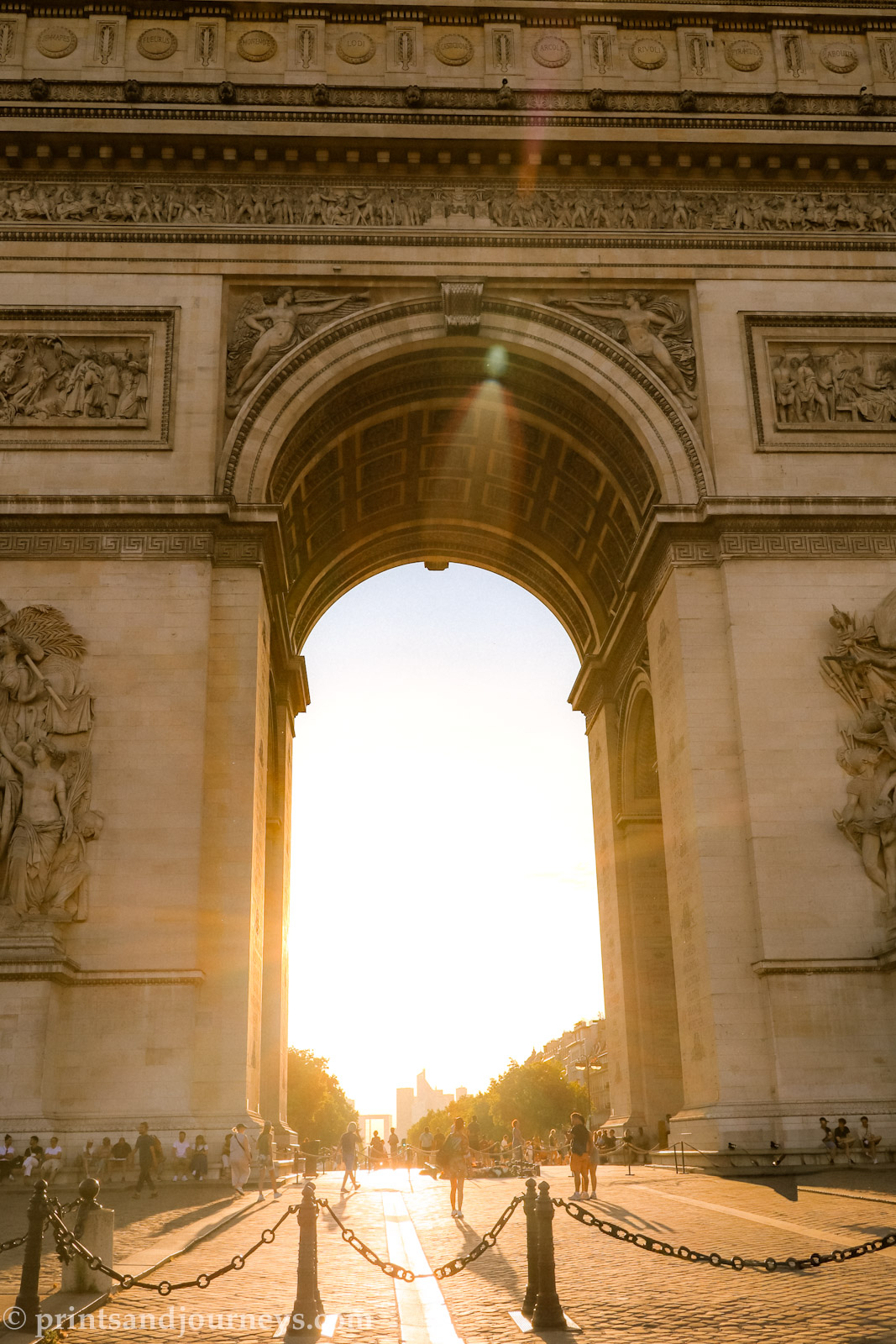
Known as the home of the good things in life – luxury hotels, grand museums, expensive nightclubs, and chi-chi shopping. Centered around the Champs-Élysées, the 8th arrondissement is bold, glamorous, and built for indulgence. This is Paris at its most polished and high-energy, where wide boulevards meet designer storefronts and late nights.
9th – Opéra & Les Grands Boulevards
Vibe: bustling, historic, grand, lively
Best for: shopping, theatres and shows, classic architecture, central city energy
The 9th arrondissement developed during the Belle Époque of the early 1900s, when Paris’s bourgeois class was flourishing. Today, it remains one of the city’s busiest neighbourhoods, known for its grand department stores, elegant covered shopping galleries, and popular theatres. Its wide, straight boulevards are classic examples of Baron Haussmann’s 19th-century redevelopment, giving the area a distinctly grand, urban feel.
10th – Canal Saint-Martin
Vibe: local, lively, unpolished, cool
Best for: neighbourhood food spots, casual nightlife, a more local Paris experience
While the 10th arrondissement isn’t on most visitors’ itineraries, it’s full of life, local shops, great restaurants, surprisingly good hotels, and most importantly, lots of Parisians. It’s also home to two of the city’s largest train stations, Gare du Nord and Gare de l’Est, as well as hidden gems like the Canal Saint-Martin, a favourite spot for strolling, people-watching, and casual drinks.
11th – Oberkampf & Bastille
Vibe: vibrant, youthful, trendy, energetic
Best for: nightlife, bars and cafés, street culture, local dining, creative energy
An up-and-coming neighbourhood where young Parisians gather, drawn by affordable rents, lively event venues, and trending restaurants and cafés. The area is full of energy, from bustling streets to hip hangouts, and you can even hop on a canal boat for a leisurely ride through the locks and onto the Seine.
12th – Bercy & Vincennes
Vibe: calm, green, residential, local
Best for: parks and outdoor activities, relaxed dining, neighbourhood wandering, a quieter Paris experience
The largest arrondissement in Paris, the 12th is home to plenty of monuments and hidden treasures, including the enormous Bois de Vincennes park, often called Paris’ “lungs.” The area balances city life with green escapes, featuring the modern Bercy district, great restaurants, and charming neighbourhood streets. It’s perfect for jogging, picnics, or a peaceful stroll, offering a more local and relaxed Parisian experience compared to the busier central districts.
13th – Place d’Italie / Chinatown
Vibe: modern, diverse, lively, multicultural
Best for: authentic food, cultural exploration, markets, modern architecture, arts and entertainment
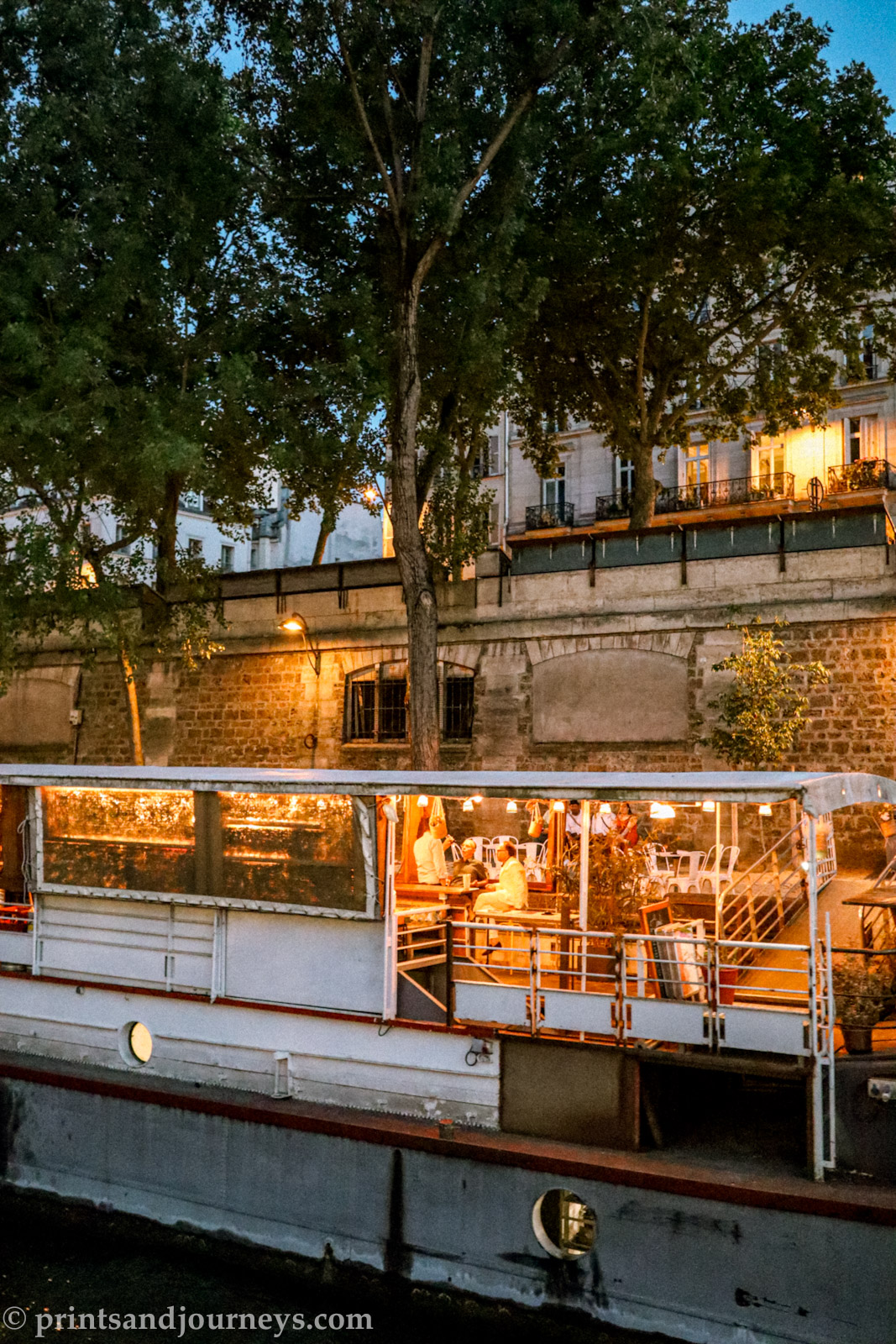
The 13th arrondissement is a relatively uncharted corner of Paris, offering a glimpse into the city’s contemporary evolution. While much of Paris is defined by 19th-century architecture, here you’ll find the Paris of the 20th century, with extensive modern projects and sleek new buildings. The neighbourhood is also home to bustling Chinatown, vibrant markets, and authentic Asian cuisine, giving it a multicultural flair. Along the Seine, a dynamic arts and entertainment scene thrives in repurposed industrial spaces, adding hidden charm and energy to the area. Between modern architecture, local cafés, and lively cultural pockets, the 13th offers a refreshing, offbeat Paris experience that feels both current and distinctly local.
14th – Montparnasse
Vibe: artistic, historic, relaxed, creative
Best for: art and culture, cafés, peaceful strolls, neighbourhood exploration, green spaces
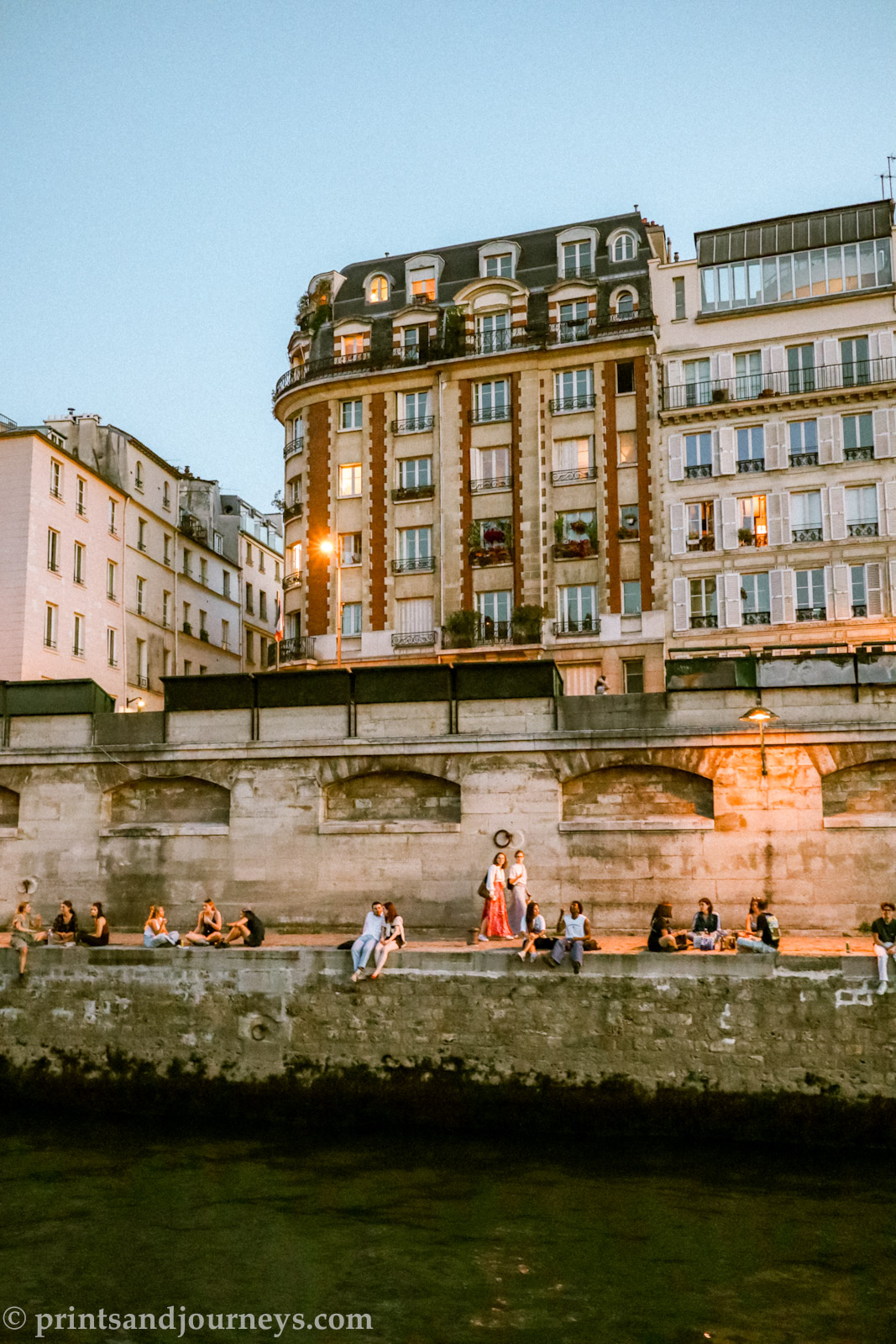
Once home to a lively arts and literature scene in the roaring 1920s, the 14th arrondissement remains a hub of creativity and culture. Now home to around 140,000 Parisians, it blends historic charm with modern life, from cobbled streets and classic cafés to contemporary galleries and bustling neighbourhood spots. Although one of the newer districts of Paris, the area is rich with cultural and political history and has long attracted artists and makers. Green spaces like Parc Montsouris add a peaceful contrast to the neighbourhood’s creative energy, making the 14th a relaxed yet inspiring part of the city.
15th – Vaugirard
Vibe: residential, calm, local, understated
Best for: local markets and food, cafés, green spaces, neighbourhood strolling, family-friendly spots
This quiet, largely residential district is little known to tourists but much appreciated by locals for its excellent fresh food vendors, markets, cafés, and shops. With around 240,000 residents, there’s a real feeling of neighborhood life here, as streets are lined with boulangeries, restaurants, salons, and hidden corners to explore. The 15th also offers landmarks like the Montparnasse Tower and green escapes such as Parc André Citroën, blending suburban calm with city conveniences. It’s a relaxed, understated side of Paris that feels genuinely local.
16th – Trocadéro / Passy
Vibe: elegant, refined, calm, polished
Best for: sightseeing, museums and culture, parks and green spaces, upscale shopping, peaceful strolling
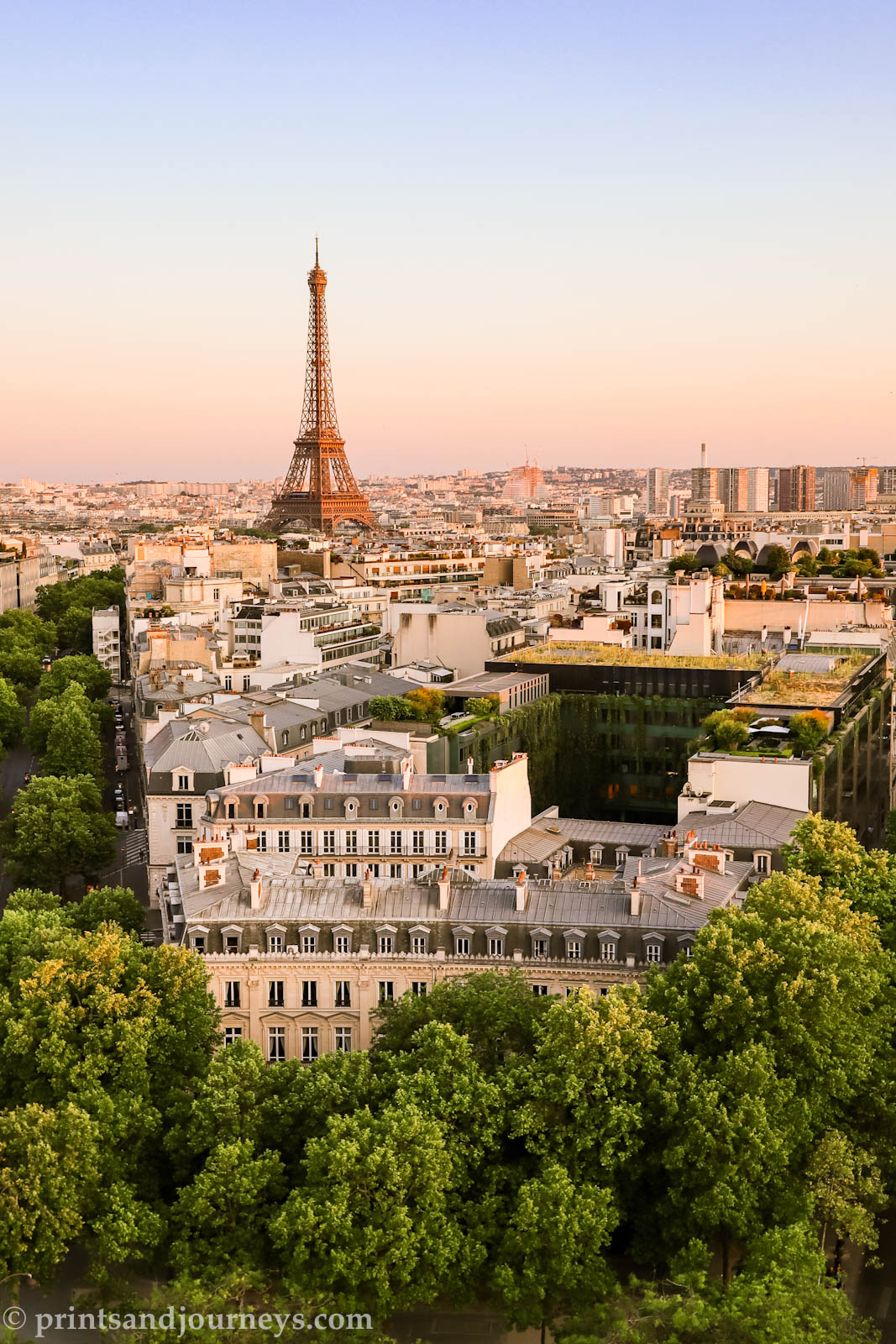
A large, wealthy residential neighbourhood boasting elegant, stately old houses, pretty-as-a-picture art-deco buildings, luxury food shopping and world-class museums. The 16th is the most posh of Paris arrondissements, where some of the best views of the Eiffel Tower are to be had. If you want to see how well-off Parisians live, it’s worth a Metro ride to Passy.
17th – Batignolles & Clichy
Vibe: charming, residential, balanced, lively
Best for: local cafés and markets, parks and strolling, boutique shopping, relaxed city life
The 17th arrondissement is a largely residential district that combines quiet, upper-middle-class neighbourhoods with livelier areas like Place de Clichy, once considered a seedier part of the city. Home to around 170,000 residents today (down from its peak of 240,000 in 1954) the arrondissement balances calm, leafy streets with pockets of energy, including cafés, markets, and boutique shops. The western Batignolles area has a village-like charm, while the eastern Ternes district offers easy access to landmarks like the Arc de Triomphe. Green spaces such as Parc Monceau add a peaceful contrast, making the 17th a mix of classic Parisian architecture, local life, and subtle urban vibrancy.
18th – Montmarte
Vibe: bohemian, artistic, historic, charming
Best for: art and culture, scenic viewpoints, creative history, village-like streets, lively cafés
Once a standalone village perched high above Paris, the 18th arrondissement is the city’s most bohemian neighbourhood. For over a century, it has been home to famous (and lesser-known) painters, writers, and creatives, including Picasso. Full of sweeping viewpoints, art-drenched history, and charming, village-like streets, Montmartre is now a major tourist destination, attracting visitors eager to explore its cafés, galleries, and lively squares like Place du Tertre. Its unique blend of historic character, artistic legacy, and vibrant local life makes the 18th both a creative hub and a must-see part of Paris.
19th – Villette & Buttes Chaumont
Vibe: lively, diverse, green, cultural
Best for: parks and outdoor activities, cultural venues, local markets, neighbourhood exploration, relaxed city life
The 19th arrondissement has until recently been considered of little interest to tourists, but this bustling neighbourhood is undergoing dramatic urban renewal and has a lot to offer. Home to one of the largest and continuously growing populations in Paris, it features expansive green spaces like Parc des Buttes-Chaumont and the Parc de la Villette, as well as cultural venues, concert halls, and striking modern architecture. Less touristy than central districts, the 19th blends residential streets, local markets, and community cafés, giving visitors and locals alike a taste of authentic, everyday Parisian life.
20th – Belleville & Père Lachaise
Vibe: gritty, authentic, multicultural, vibrant
Best for: street art, local food and markets, historic sites, neighbourhood exploration, cultural immersion
The 20th arrondissement is a gritty, traditionally working-class area with deep immigrant roots, yet surprisingly quiet streets lend it a unique charm. It was cobbled together in 1860 from land and villages that were once outside the city limits. Because living costs have historically been lower than in central Paris, the area has long attracted immigrants, refugees, and people moving in from rural France. Today, the 20th blends its authentic, unpolished character with vibrant cultural life, offering visitors a raw and genuine slice of Parisian life.
Custom Interactive Paris Map
✨ Custom Paris Travel Map Available for the price of $10 CAD.
I spent countless hours creating a detailed Google Map with my Parisian friend with:
• Saved restaurants, patisseries, cafés, culture, museums, travel, and more
• Restaurants and cultural options in every arrondissement
• Ideal for independent travellers who don’t want tours but still don’t want to spend hours and hours researching each destination
• Made for people who want to explore and make sure they are hitting awesome spots, without over-planning
• Fill in your email address below to receive payment prompt and map link.