Toulouse Travel Guide: Best Things to Do, Eat & See in the Pink City
Last Updated February 2026
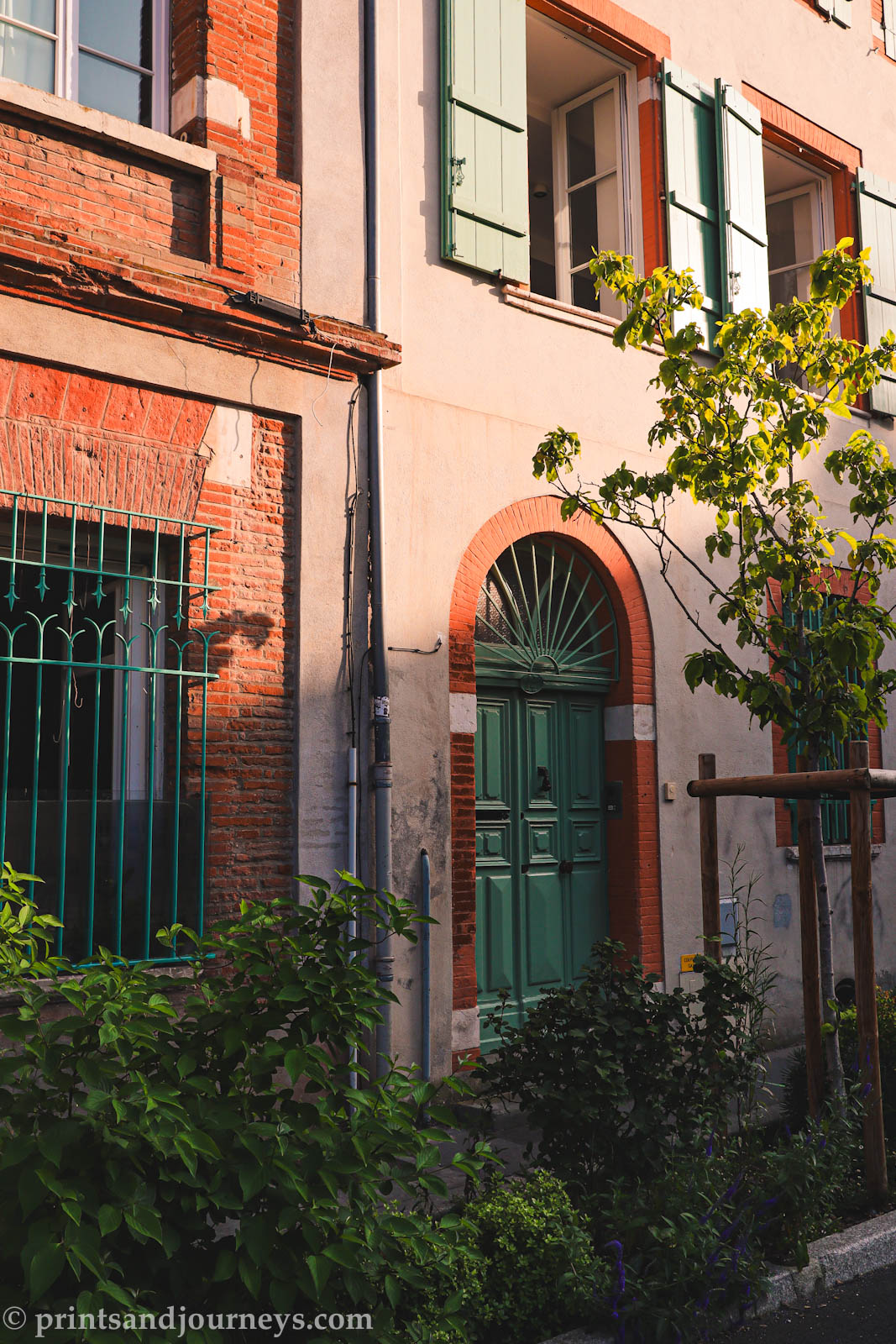
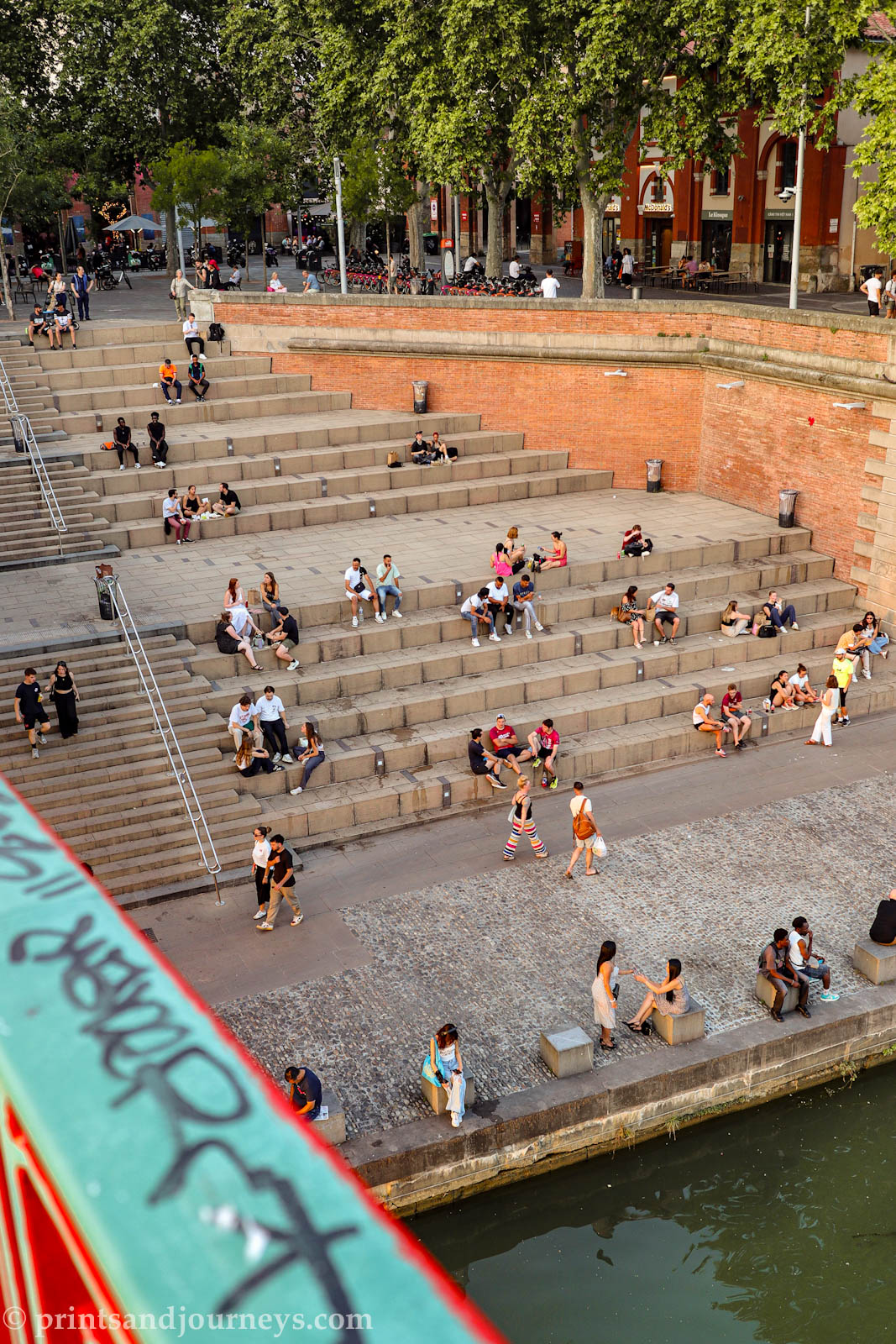
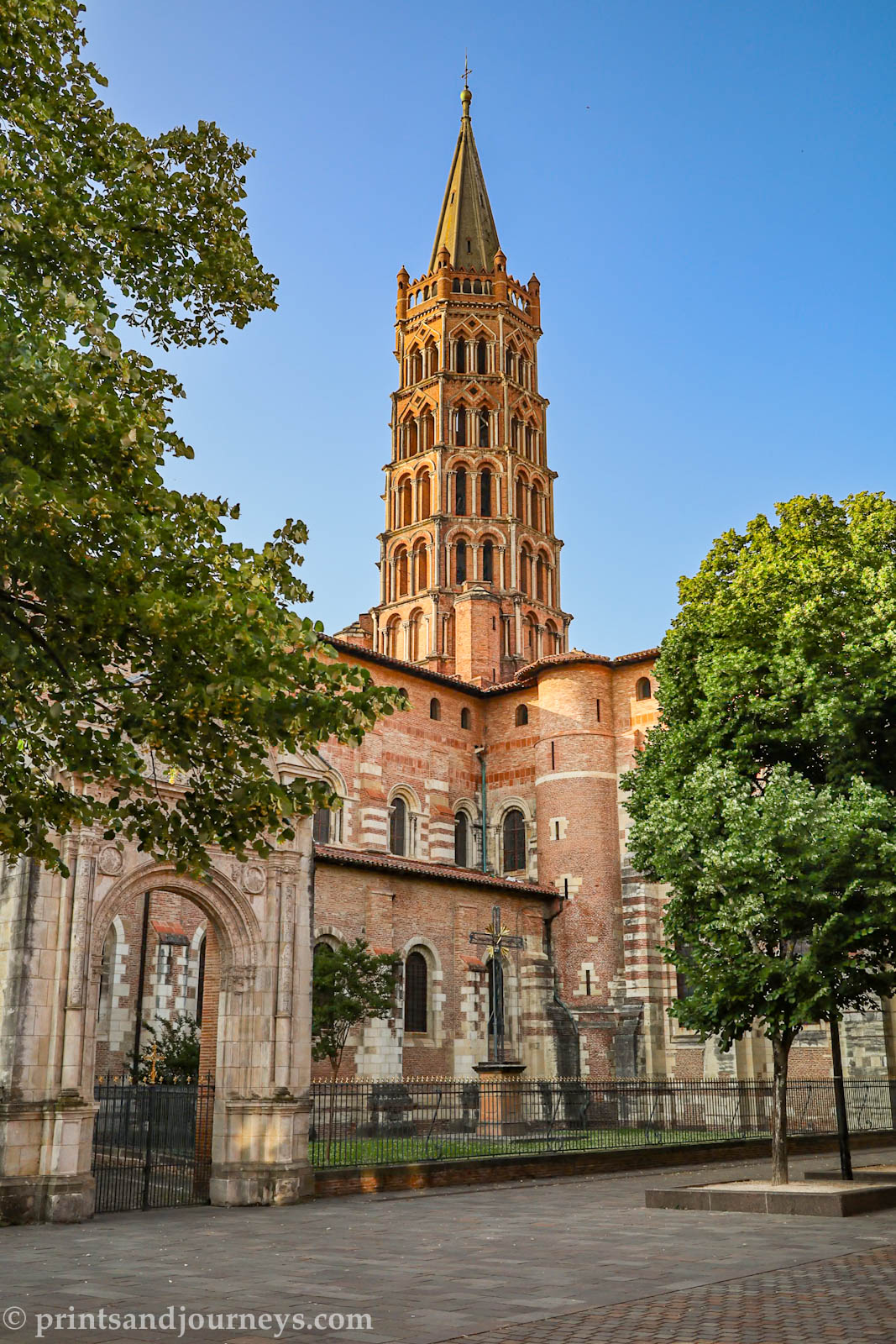
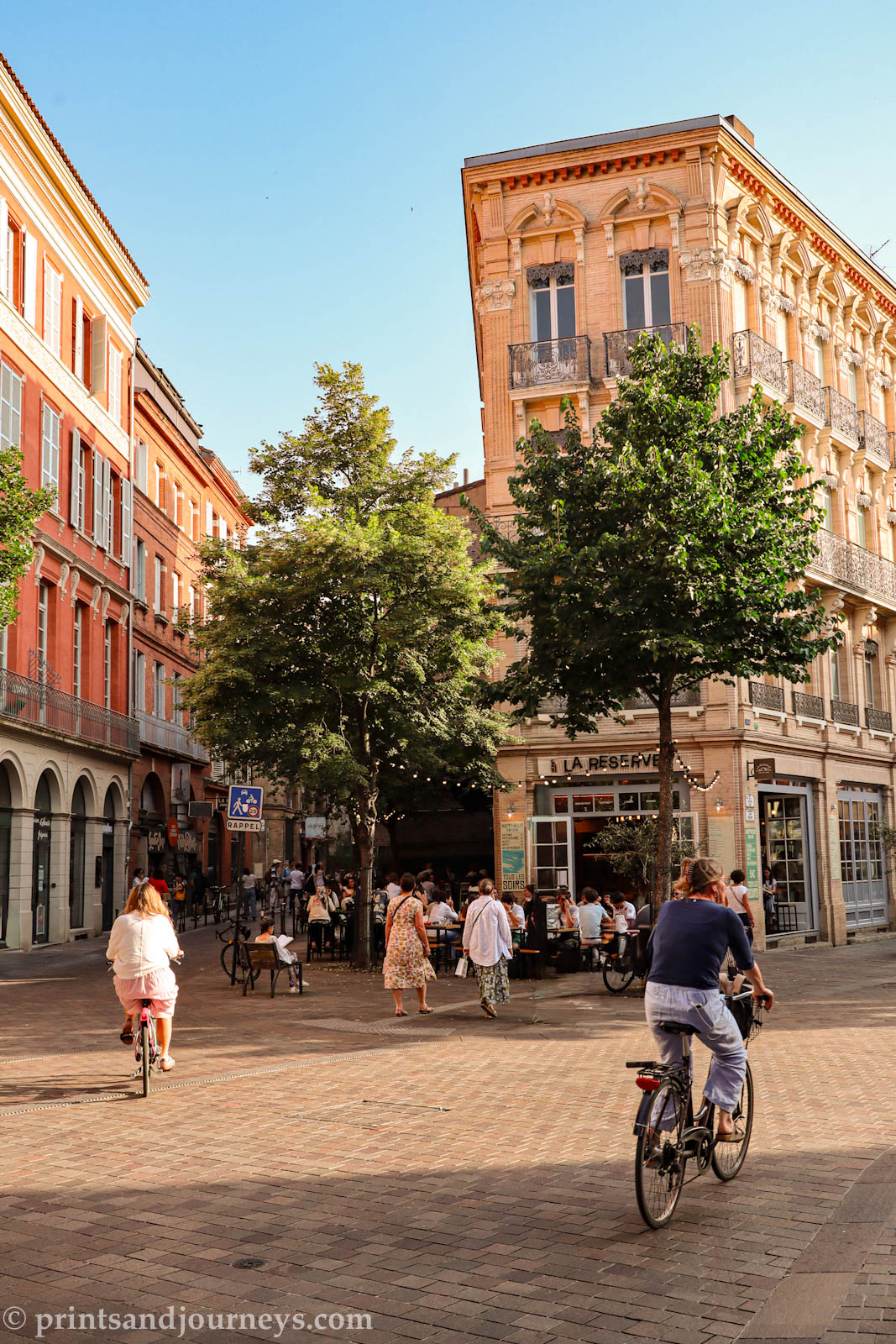
Toulouse, known as “La Ville Rose” (The Pink City), gets its warm blush from the terracotta bricks that colour its historic centre. The vibe is instantly so charming, peaceful, scenic, and incredibly clean, thanks to its mostly car-free city centre, which makes wandering the streets feel calm, safe and inviting. It’s also very much a university city, home to one of the largest student populations in France.
This gives it a young, hip, energetic atmosphere: cafés spilling onto the streets, lively markets, cool boutiques, and plenty of budget-friendly eats mixed with traditional southern French culture. We arrived from Marseille, and Toulouse instantly felt like a breath of fresh air — calmer, softer, and closer to what I imagine as a more ‘classic French’ vibe. In this Toulouse Travel Guide, I’ll share the top sights, my favourite food spots, and all the essential logistics to help you plan your trip.
This post may contain affiliate links. I only include links to sites and services that I genuinely use or recommend after careful research, and you will never pay more by using them.
Overview & Travel Tips:
Planning a trip to Toulouse? Great idea! In this guide, I’ll show you the best things to do, eat, and see, from scenic river spots and historic sites to vibrant neighbourhoods and local food gems. Use this post to plan a smooth, fun, and unforgettable visit, whether it’s your first time or a return trip.
Travel Tips:
• Avoid driving in the centre: Most cars aren’t allowed and fines, restricted zones, and limited parking make it impractical; use walking, bikes, or public transport instead.
• Download transit apps: Use the official Tisséo app for real‑time schedules and route planning.
• Learn basic French phrases: Bonjour & Merci, go a long way in daily interactions and show respect.
• Rent a bike: Toulouse is bike‑friendly with VélôToulouse stations and dedicated lanes – a great way to explore efficiently.
Top Things to do in Toulouse
Toulouse is full of charm, history, and energy, and there are plenty of ways to experience it. Here are a few highlights to get you started, if you want the full list of my favourite activities and detailed tips, check out my Top Things to Do in Toulouse post.
Enjoy the Garonne River
One of the most unique ways to experience Toulouse is from the water itself! You can either rent your own electric boat or take a guided river cruise, giving you two very different but equally scenic experiences.
For a more hands-on adventure, Les Cabo Teurs lets you rent an electric boat with no license required, making it easy for anyone to pilot. Prices are reasonable, starting at €50 for one hour and rentals run from June to mid-October. You can also bring your own food and drinks or even order a picnic basket from the company! It’s a relaxing, private way to see Toulouse’s bridges and buildings from a new perspective.
If you prefer a more guided experience, Les Bateaux Toulousains offers cruises from early July to the end of October, including special holiday cruises around Christmas. Tickets are around €14 per adult, or you can opt for a meal-inclusive cruise for a higher price.
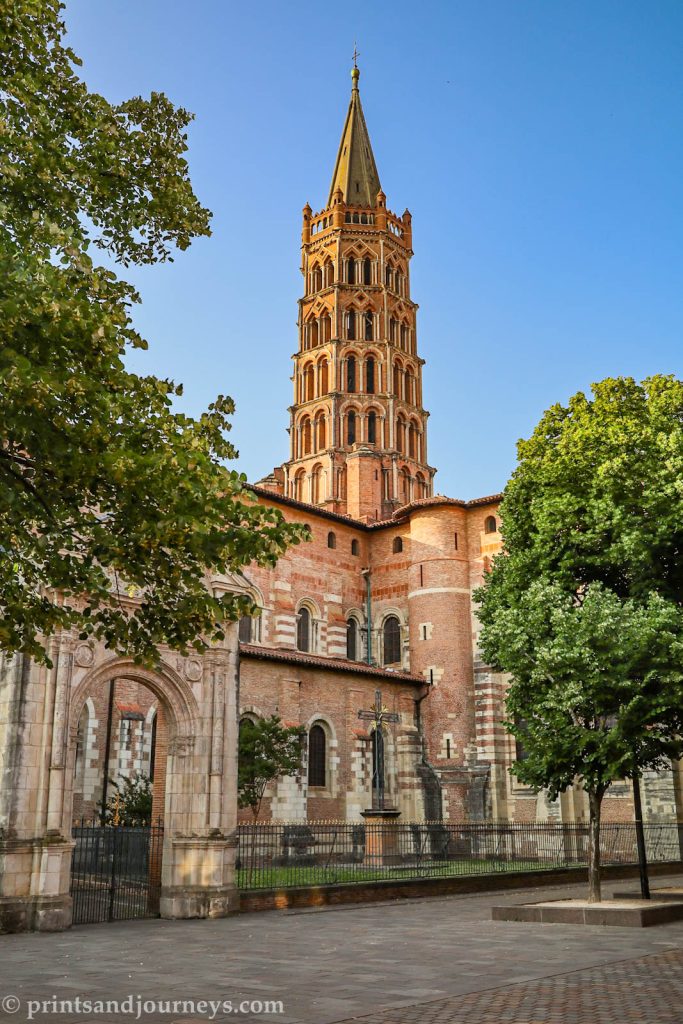
Explore Basilique Saint-Sernin
This UNESCO World Heritage site is one of the largest Romanesque churches in Europe. Even if you don’t go inside, the square and exterior are perfect for a peaceful stroll, people-watching, and soaking up the historic charm.
Stroll Along the Canal du Midi
A short walk or bike ride along the Canal du Midi offers shaded paths, charming bridges, and the free Japanese Garden. It’s an ideal spot for a calm stroll, morning run, or riverside break at a nearby café.
Wander Carmes and Saint-Cyprien
These neighborhoods showcase Toulouse’s vibrant, youthful energy. Carmes is known for its cobblestone streets, boutique shops, and lively cafés, while Saint-Cyprien has a slightly more bohemian, artsy vibe. Together, they make for a scenic walking loop that’s perfect for discovering hidden gems.
Sightsee by Bike
With minimal car traffic in the city centre, Toulouse is a cyclist-friendly city. Ride along the Canal du Midi, Garonne River, or through the Carmes and Saint-Cyprien neighborhoods. Rent a bike from a local shop like La Bicyclette Verte, or use the VélôToulouse bike stations and app for short-term rentals. Cycling is a fun, flexible way to see both the main sights and tucked-away corners.
Visit the Place du Capitole
Don’t miss Place du Capitole, the city’s vibrant central square, where you can wander among cafés, historic statues, and the impressive Capitole building itself; it’s free to visit and often hosts markets, concerts, and public art exhibitions.
Sunset Drinks by the Garonne
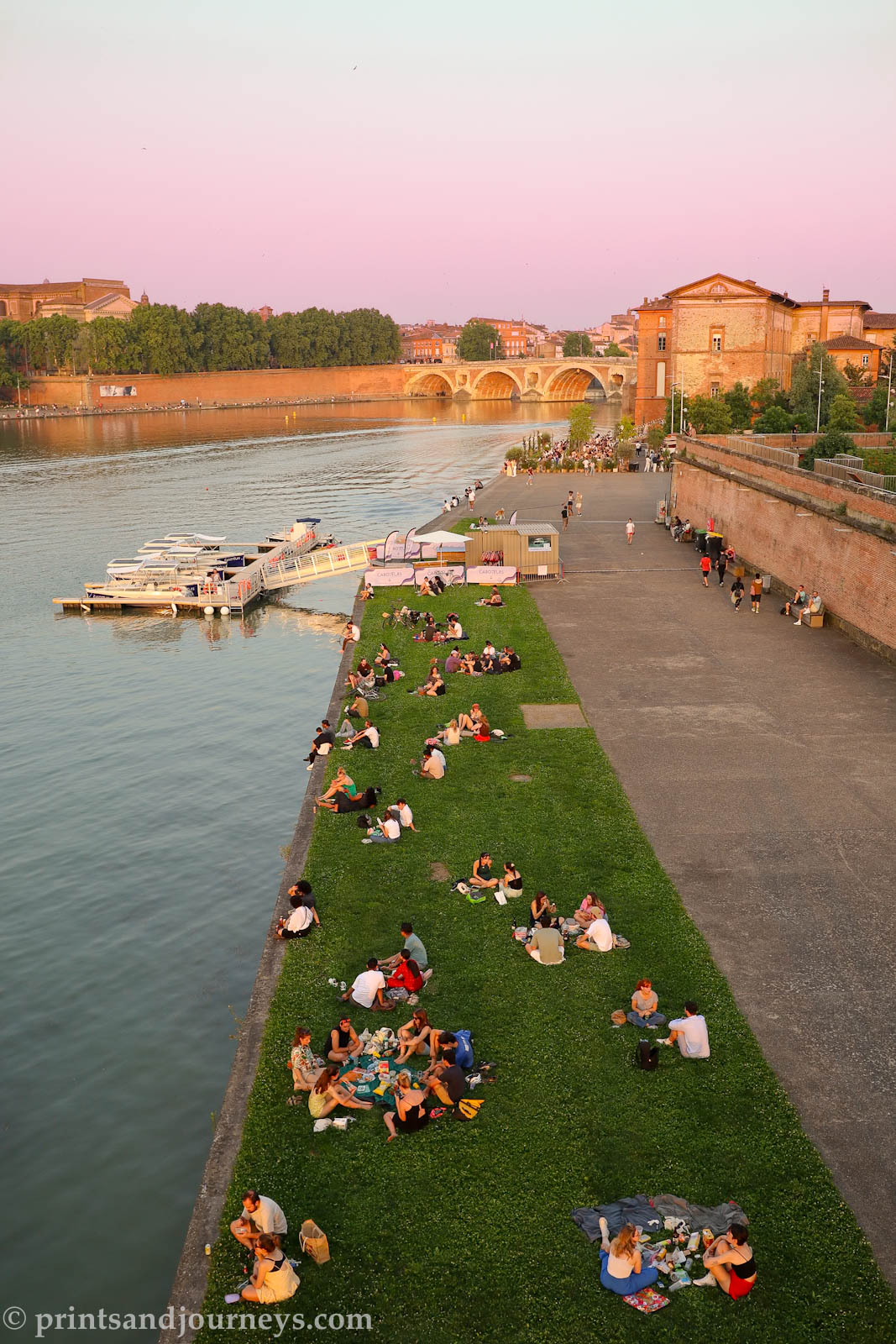
As the day winds down, head to the riverbanks near Pont Saint-Pierre. Locals gather with wine, snacks, and good company to watch the sun set. It’s a perfect, relaxing way to cap off a busy day of exploring.
This is the shortlist, but I go into more detail and provide even more things to do here in my top things to do in Toulouse guide.
Travel & Transportation
Toulouse is nestled in the south of France along the banks of the Garonne River. It’s famous for its vibrant culture, amazing food, and aerospace industry — one evening at sunset, we even saw an Airbus Beluga XL fly into town. These planes are enormous and there are only six in the world! Don’t worry you won’t be arriving to town in a Beluga Airbus 😛, they only transport aircraft parts. Getting here is straightforward whether you’re road-tripping through France (like we did), hopping on a train, or flying in from elsewhere in Europe. For our trip, we arrived by rental car from Marseille as part of a road trip. HOWEVER, Toulouse restricts traffic in the city centre, so we had to park at a train station overnight and take public transport into the centre to reach our hotel. Toulouse itself is very walkable, and public transport is excellent, so unless the city is just a stop on your road trip, a car isn’t really necessary. Below are some of the main ways to reach Toulouse.
Option 1: By Train 🚆
• Paris to Toulouse by train: The TGV high-speed train connects Paris to Toulouse in just 4.5 – 5 hours on a direct route. Trains depart regularly from Gare Montparnasse, making this a seamless way to travel if you’re combining Toulouse with Paris or other major cities.
• Bordeaux to Toulouse by train: This is a quick 2-hour journey on a direct train, perfect for those road-tripping through southwestern France who prefer to skip driving.
• Marseille to Toulouse by train: From Marseille, the TGV gets you to Toulouse in about 4–5 hours. This is perfect if you’re road-tripping along the south of France but want a faster, more relaxing option for part of your trip.
• Barcelona to Toulouse by train: Cross the border from Spain into France by taking a train from Barcelona, which takes around 3.5–4 hours. Make sure to check schedules, as you may need to change trains depending on the service.
Compare schedules and prices on sites like Omio, Rail Europe, and Trainline.
Option 2: By Car 🚗
• Driving to Toulouse is a great option if you’re planning a larger road trip through France. The only reason this is not my top recommendation is because they limit cars in the city centre, and you need a special sticker to get in without a fine. Our rental car did not have a sticker, so we ended up finding a free 24-hour parking lot at a train station just outside of town to park while we visited.
• If you’re from outside the Schengen area, you’ll need an International Driving Permit (IDP) to rent a car. These can usually be obtained at your local automobile association (e.g., CAA in Canada) for around $40 and are valid for one year.
• Check out my 2 week France roadtrip guide here to plan a longer route through France
Option 3: Flying in to Toulouse ✈️
• Toulouse-Blagnac Airport (TLS) is located just 15 minutes from the city center and offers direct flights from major French cities like Paris, Lyon, and Nice, as well as several European hubs including London, Amsterdam, and Frankfurt. From the airport, you can take a taxi, shuttle, or tram to reach the city centre quickly.
Option 4: By Bus 🚌
For budget travellers, companies like Flixbus connect Toulouse with cities across France and Europe. Bus travel is typically slower than trains but is often the most affordable option.
Best Time to Visit Toulouse
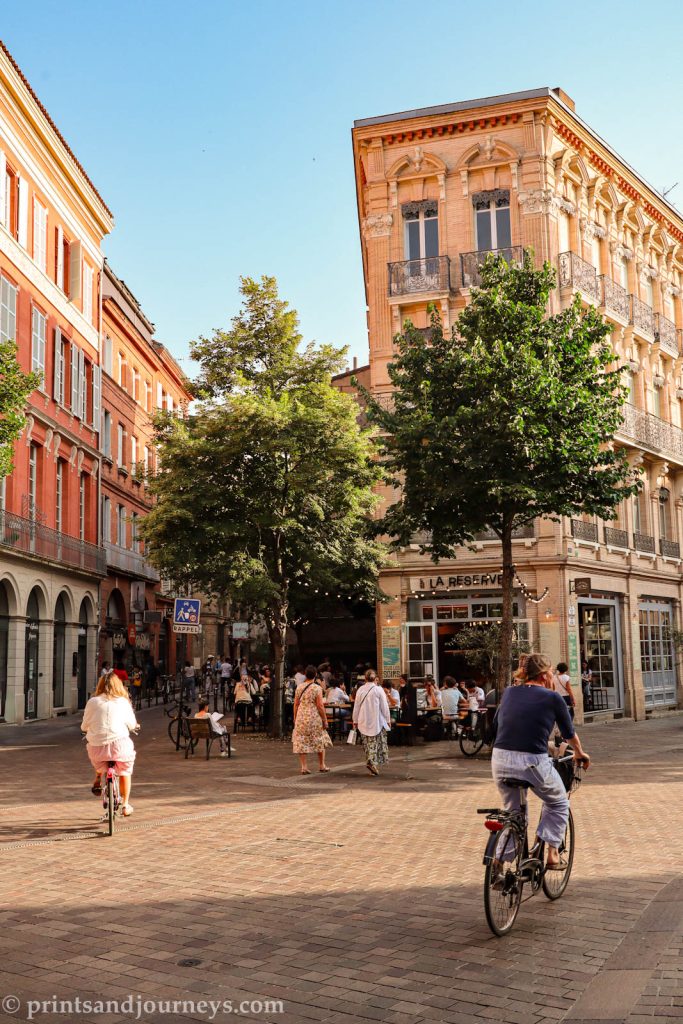
Toulouse feels like a completely different city depending on the season. I loved how walkable and lively it felt, and because it’s not as tourist-heavy as Paris, it never feels too overwhelming, even when we visited in summer. Whether you’re here to bike along the canals, boat on the Garonne, or just soak up Pink City life, here’s what to expect throughout the year.
Spring (March – May) 🌸
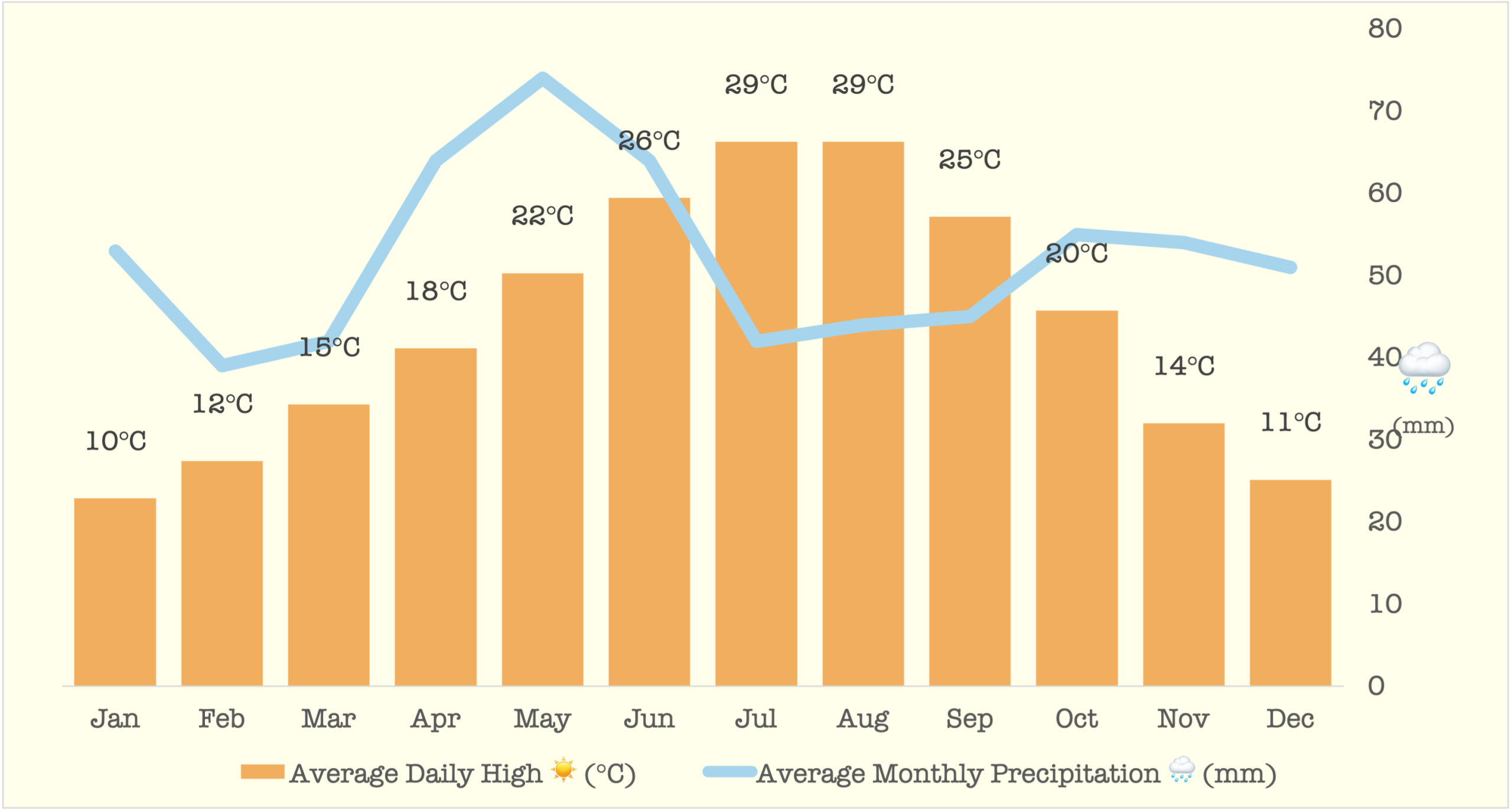
Spring is one of the best times to visit Toulouse. The city starts to wake up, terraces fill back up, and everything feels fresh and green. Temperatures usually sit around 12–20 °C, making it perfect for walking and biking without breaking a sweat.
You’ll get a mix of sunny days and rain (peaking in May), so pack a light jacket. This is a great time for cycling along the Canal du Midi, wandering the historic center, and enjoying long afternoons by the river or at a cafe without summer crowds.
Why visit in spring: fewer tourists, mild weather, ideal for biking and exploring on foot.
Summer (June – August) ☀️
Summer is peak season in Toulouse. Expect warm, sunny days with temperatures often in the mid-to-high 20s °C (70s–80s °F), and occasionally hotter during heatwaves. The city stays lively late into the evening, with outdoor dining, festivals, and people gathering along the Garonne.
Boating on the river or canals is especially popular this time of year, and evenings are perfect for sunset walks through Place du Capitole or along the riverbanks. Midday sightseeing can feel hot, so plan outdoor activities for mornings and evenings if you can.
Why visit in summer: festivals, long days, boating, buzzing nightlife — but expect more people and heat.
Autumn (September – November) 🍁
Autumn is the sweet spot for Toulouse. September still feels summery, there isn’t as much rain as spring time and it has fewer tourists and more comfortable temperatures (around 18–25 °C). By October and November, the air cools down and the city takes on a cozy, local feel.
This is an amazing time for sightseeing, food-focused travel, and biking without the summer heat. Cafés and wine bars feel especially inviting, and the golden light makes the pink-brick buildings glow.
Why visit in autumn: great weather, fewer crowds, perfect balance of city energy and calm.
Winter (December – February) ❄️
Winter in Toulouse is quieter and slower, but still charming. Temperatures usually hover around 5–12 °C, and while it can be rainy and cloudy, it rarely gets bitterly cold.
One of the highlights of visiting in winter is the Toulouse Christmas Market (Marché de Noël) in Place du Capitole, usually running from late November through December. You’ll find festive lights, mulled wine, local treats, and a really cozy atmosphere that makes the city feel magical. There are multiple Christmas markets throughout the city, ride a giant minotaur (yup you heard that right) and public skating too!
It’s also a great time for museums, food tours, and enjoying the city without crowds.
Why visit in winter: Christmas markets, fewer tourists, cozy cafés, and a more local vibe.
Best Overall Time to Visit Toulouse
If you want the best weather with fewer crowds, aim for May–June or September.
If you love festive vibes, December is perfect for Christmas markets.
If you don’t mind heat and want energy and events, summer delivers.
Where to stay in Toulouse
Toulouse is a compact, walkable city, and it’s ideal to stay in the city centre although transit around the city is great. For a first visit, the historic centre around the Capitole is a perfect base: close to major sights, restaurants, and public transport. Neighbourhoods along the Garonne and near the Canal du Midi are also great options if you want something slightly quieter but still within easy walking distance of the action.
🟪 Toulouse Luxury Accommodation (~$200-600 CAD / night)
Like the rest of Europe, the most luxurious accommodations are usually in historic buildings and have an elegant and chic character. When doing my research, I noticed a lot of accommodations are apartments instead of traditional hotels (which I like that vibe more anyway). There are a lot of beautiful spots, but my favourite picks for hotels and apartments are listed below.
⭐️ MY TOP PICK: Grand Hotel de l’Opera ⭐️– A beautiful four-star hotel located in the heart of the historic centre, right on the same square as the Capitole. Rooms look clean, spacious and luxurious.
La Cour des Consuls Hotel & Spa Toulouse – If you are going to go lux and your budget is very loose, this is the only 5 star hotel in Toulouse. There is a beautiful restaurant and spa for you to enjoy during your stay as well.
Hôtel Innes – A modern four-star hotel in central Toulouse, within walking distance of the Canal du Midi, train station, and the historic centre
🟪 Toulouse Mid-Range Accommodation (~$100-200 CAD / night)
There are lots of mid-range options in Toulouse, and many are the apartment style. Here are my favourites.
⭐️ MY TOP PICK: Appart Hotel Odalys City Toulouse Centre Gare ⭐️– Very central, clean, affordable and some studios have beautiful balconies as well.
Hyper-Centre Historique – A nicely located, affordable studio apartment with great reviews.
🟪 Best Toulouse Accommodation for Families & Groups (~$100-400 CAD / night)
If you are travelling with children, couples or a small group of friends going the apartment/shared house route is probably the most affordable and fun for your group. You all get to be in accommodation together, and you save some serious money!
⭐️ MY TOP PICK: Comptoir des Étoffes – Proche Place du Capitole⭐️ – This apartment is seriously stunning, and it boasts 3 bedrooms and 4 bathrooms so everyone in your group can be comfortable and have privacy.
Appartement Luxueux et Fleuri à Toulouse – A very gorgeous 3 bedroom apartment, great for groups of 6.
Appart Hôtel Clément Ader – Beautiful apartments in a building where you have access to a heated indoor swimming pool, a sauna and a gym. Many different floor plans for groups from 2-6 people. They also have full kitchens which can be a great money saver for cooking some meals with your family/group.
🟪 Best Toulouse Accommodation for Solo Travellers (~$40-100 CAD / night)
If you are travelling by yourelf, you can always stay in one of the hotels or VRBOs listed above of course. If you are hoping to save a bit of money with your solo travelling, these options below could be a better fit. There actually are not many hostels in Toulouse, so options on this front are limited and I am only recommending the ones I would stay in myself.
⭐️MY TOP PICK: Hôtel Matabi⭐️ – A nice, clean hostel located on the edge of the city center with privacy curtains (which have become a must for me at hostels).
Hostel Toulouse Wilson – A central hostel, also with privacy curtains. Some of the bunk beds are stacked as 3, which would potentially put me off this place (I am picky though!).
Where to next? After Toulouse, head south to Marseille and the ocean, or north to the Pyrenees mountains for hiking and dramatic mountain views!
Frequently Asked Questions
How many days should I spend in Toulouse?
2–4 days is ideal. Two days cover the main sights like Place du Capitole, Basilique Saint-Sernin, and the Canal du Midi, while four days let you explore museums, local neighbourhoods, and add on day trips (like Albi or Carcassonne).
Is Toulouse safe for tourists?
Yes, Toulouse is generally safe. Standard city precautions apply: watch your belongings in crowded areas and avoid poorly lit streets at night. I did feel more comfortable here at night than I did in Marseille or Paris, but it is still a big city so exercise caution.
Is tipping expected in Toulouse?
Tipping isn’t mandatory; rounding up the bill or leaving 5–10% in restaurants is appreciated, but service is usually included in the cost. Personally, I will just round up the bill.
Is Toulouse expensive?
Toulouse is moderately priced compared to Paris. Accommodation, restaurants, and attractions are more affordable, but expect slightly higher prices in the city centre. Daily costs ranging roughly €70–€150 per person for budget to mid-range travellers.
Can I drink tap water in Toulouse?
Yes, the tap water in Toulouse is safe to drink. Many cafés also offer filtered water, but bringing a reusable bottle is recommended for walking around.
What languages are spoken in Toulouse?
French is the main language, but English is understood in tourist areas, hotels, and some restaurants. Learning a few basic French phrases goes a long way.
Interactive Toulouse Map
Save this interactive Toulouse map to your Google Maps