Ultimate Pyrenees Travel Guide: Sights, Hikes, Food & More
Last Updated June 2026
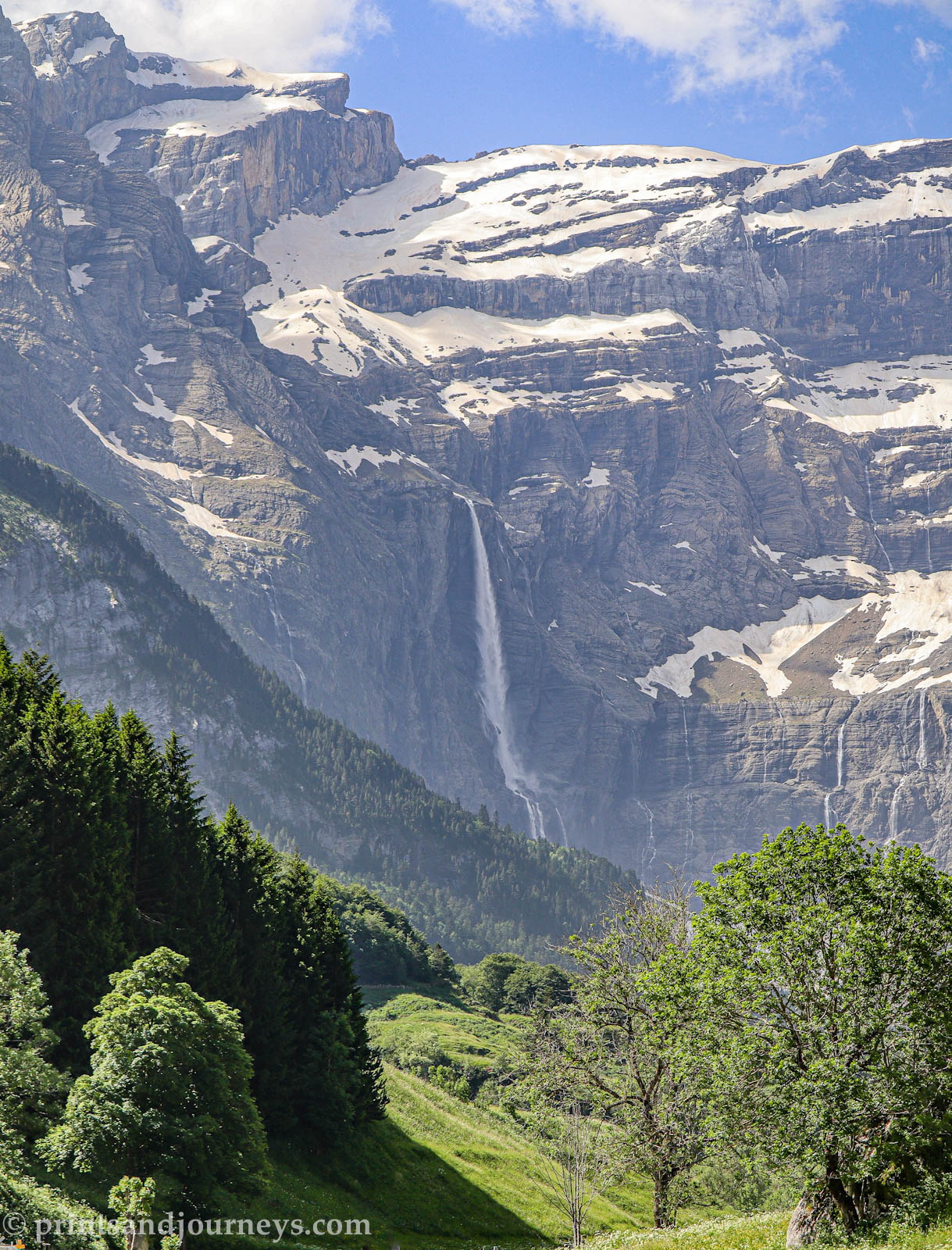
The Pyrénées mountain range is massive, stretching across France, Spain, and Andorra. In this Pyrenees Travel Guide, I’ll share the best things to do, from jaw-dropping hikes and charming mountain villages to delicious local food.
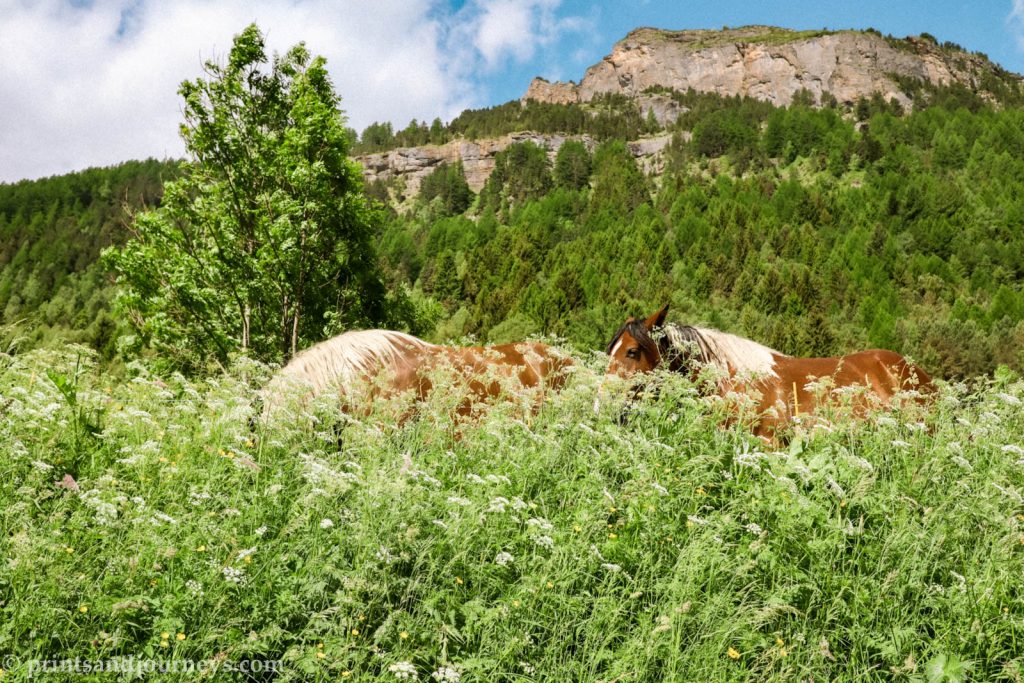
Focusing on the Hautes-Pyrénées region, we discovered breathtaking views, peaceful vibes, and charming corners of France that quickly became my new favourite destination.
This post may contain affiliate links. I only include links to sites and services that I genuinely use or recommend after careful research, and you will never pay more by using them.
Overview and Travel Tips
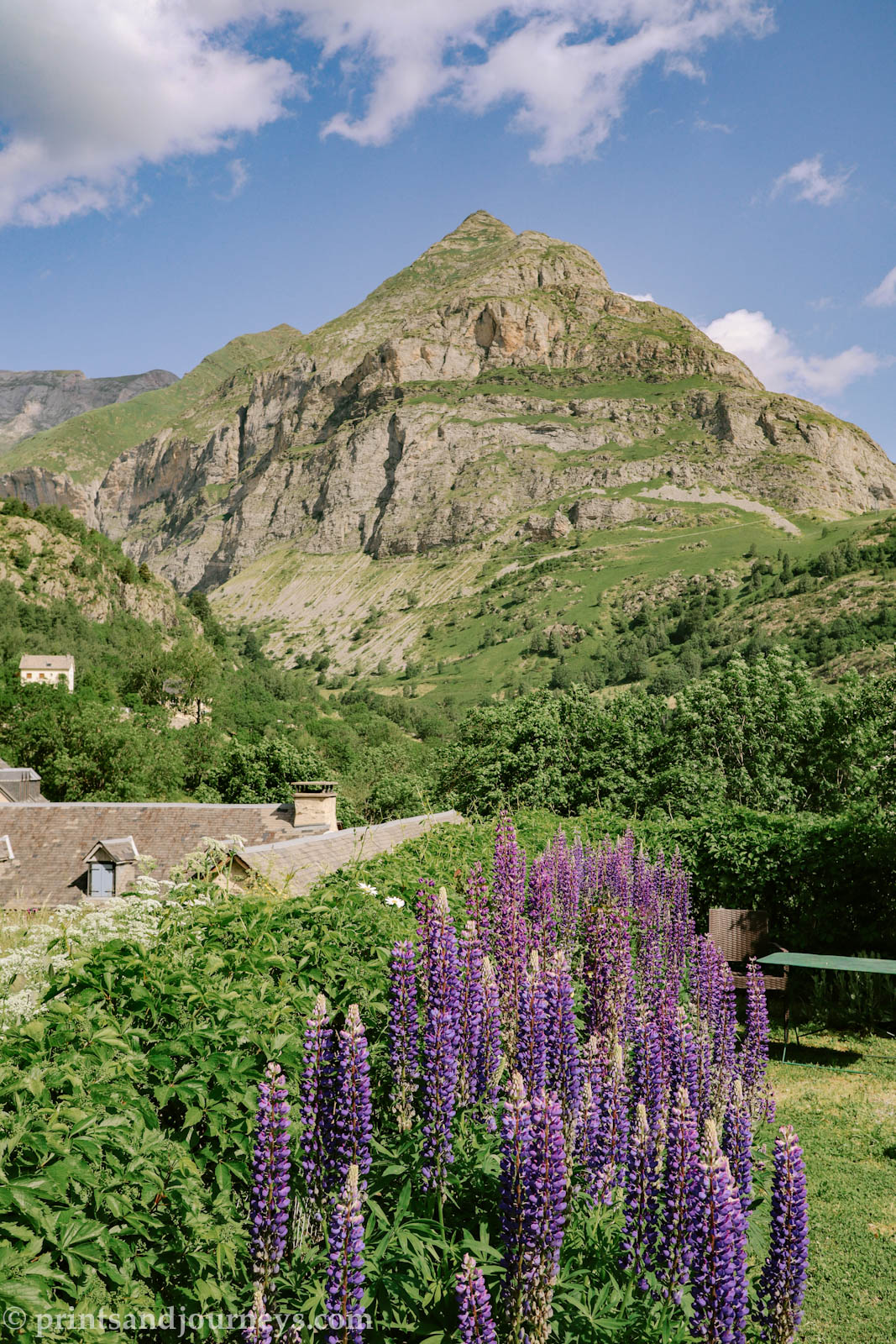
This Pyrenees travel guide will help you plan the most scenic and rewarding experiences. The Hautes-Pyrénées pack in big adventures: hike the Cirque de Gavarnie and gape at France’s tallest waterfall, stroll around the turquoise Lac du Gaube, eat Basque cuisine and wander charming mountain villages.
With Lourdes as your base, you can mix epic views, winding scenic drives, and cozy cafés perfect for picnics or a post-hike treat — while getting a real taste of the region’s rugged beauty and timeless charm. Short on time? Don’t worry! The Pyrenees make every moment count. I also took all the information and made a 2 day itinerary to follow – check it out for easy travels.
Travel & Hiking Tips:
• Having a vehicle is highly recommended for exploring this region, although it is still possible (with some serious bus timetable planning in peak season only or scheduling tours) to do most of these activities without
• Start hikes early to beat the crowds and enjoy cooler temperatures
• Download offline maps since cell service can be spotty
• Leave some time for scenic stops along mountain roads
• There are bathrooms at the bottom (free) AND top of both of these hikes, but you may have to pay/be a customer to use the restaurant bathrooms at the top of the hikes
• Wear comfortable shoes and layers; mountain weather can change quickly. As hikers, we found our gym shoes to be fine for this hike — no boots necessary just be careful of your grip when descending. If you have limited mobility, bring hiking boots and/or hiking poles to increase your comfort and confidence.
Top Things to Do in the Pyrenees
The Cirque de Gavarnie
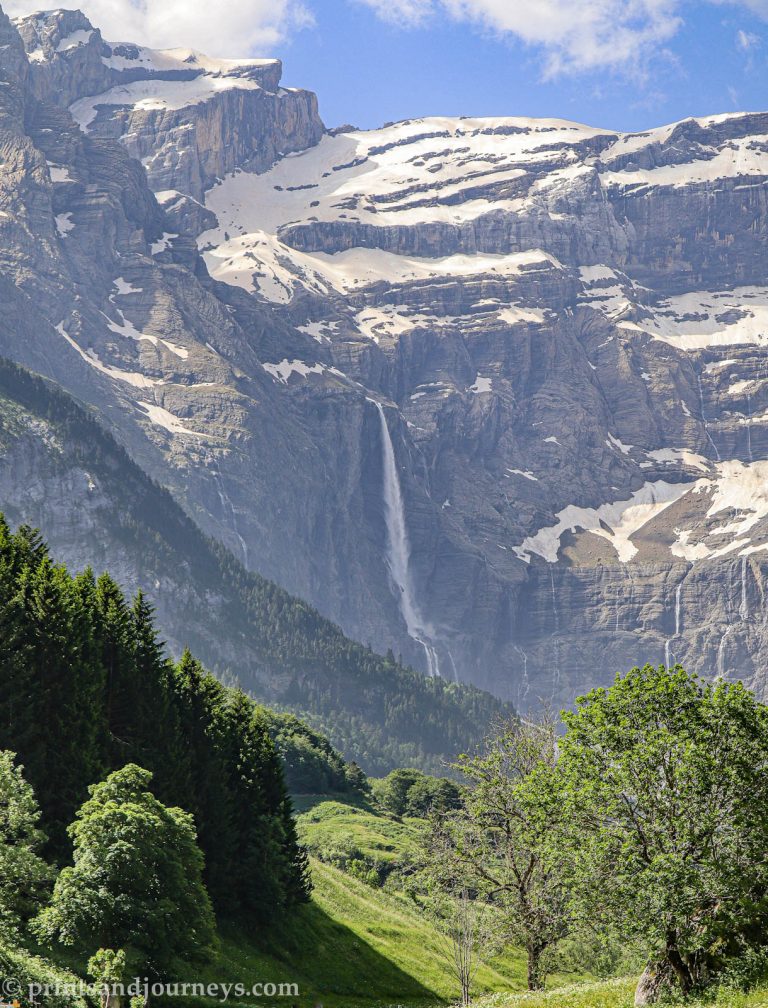
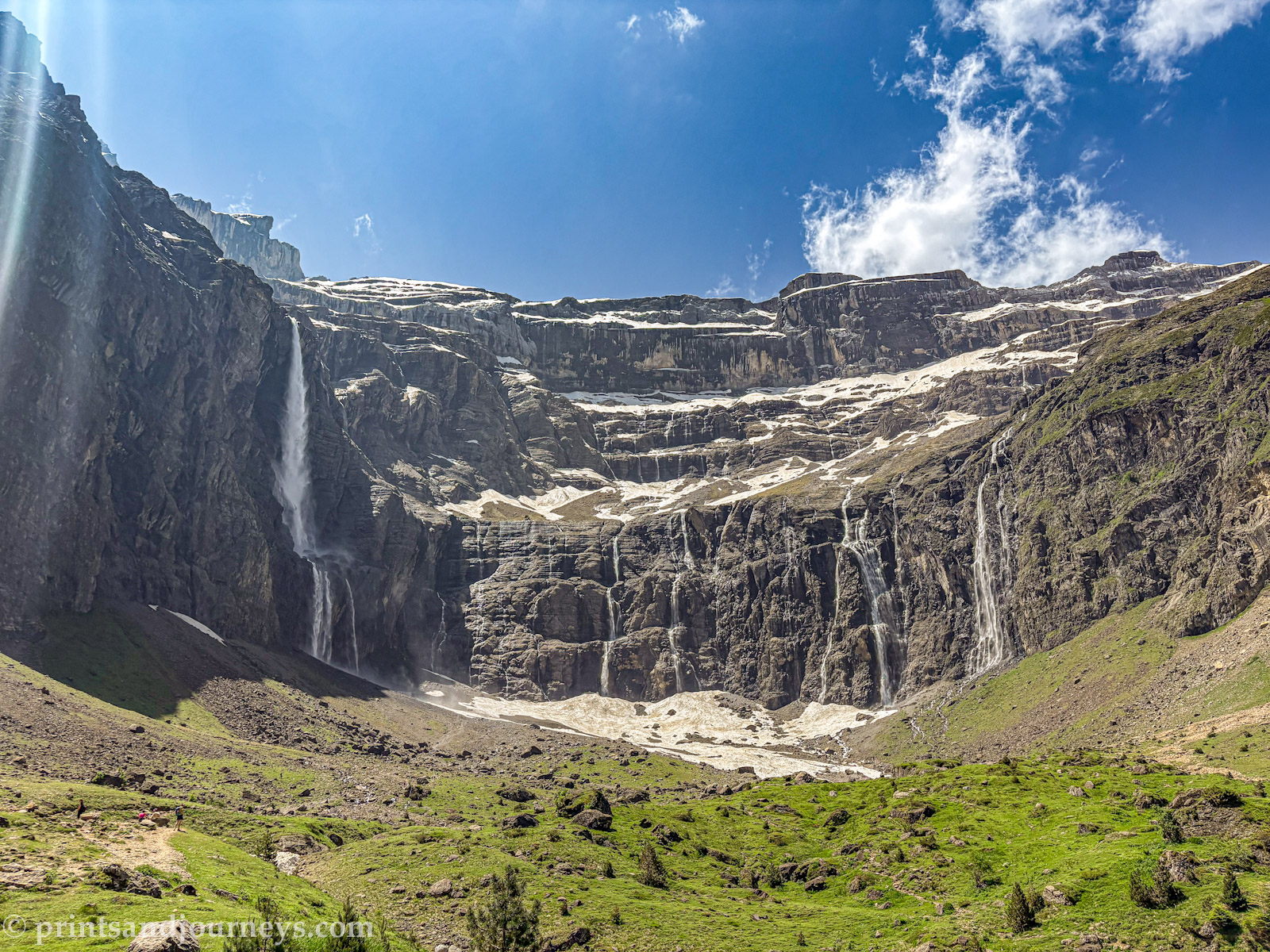
Hiking the Cirque de Gavarnie is at the very top of the list for things to do in the Pyrenees, with its towering cliffs and iconic waterfall. I live in Vancouver, Canada, and I’ve been lucky to do many incredible hikes, but honestly nothing prepared me for seeing the cliffs and waterfalls stretch like a wall in front of you the entire way. I’d seen photos before, but they truly don’t even come close to the scale and sheer awe of experiencing it in person. At one point, I turned to my partner and said, ‘If this were in Western Canada, with this simple trail in, it would be absolutely swarming with people… like Moraine Lake level.’
There were others on the trail, of course, but it felt peaceful and calm compared to some of the crowded hikes I’ve tackled before. The best part? People of all ages were walking it, so even if you’re not super fit or a seasoned hiker, the payoff is incredible. When we reached the top, we sat with our lunch and just took in the view, I honestly could have stared at the scale and magnificence all day. And when it was time to go, I was genuinely feeling sad when I had to peel myself off the ground and start heading back. If you don’t have your own rental car, I strongly suggest basing yourself in Lourdes and taking this day trip to hike the Cirque – it’s a must do if you’re in the area!
See my Cirque de Gavarnie guide for all the deets to plan this hike.
Pont d’Espagne and Lac du Gaube
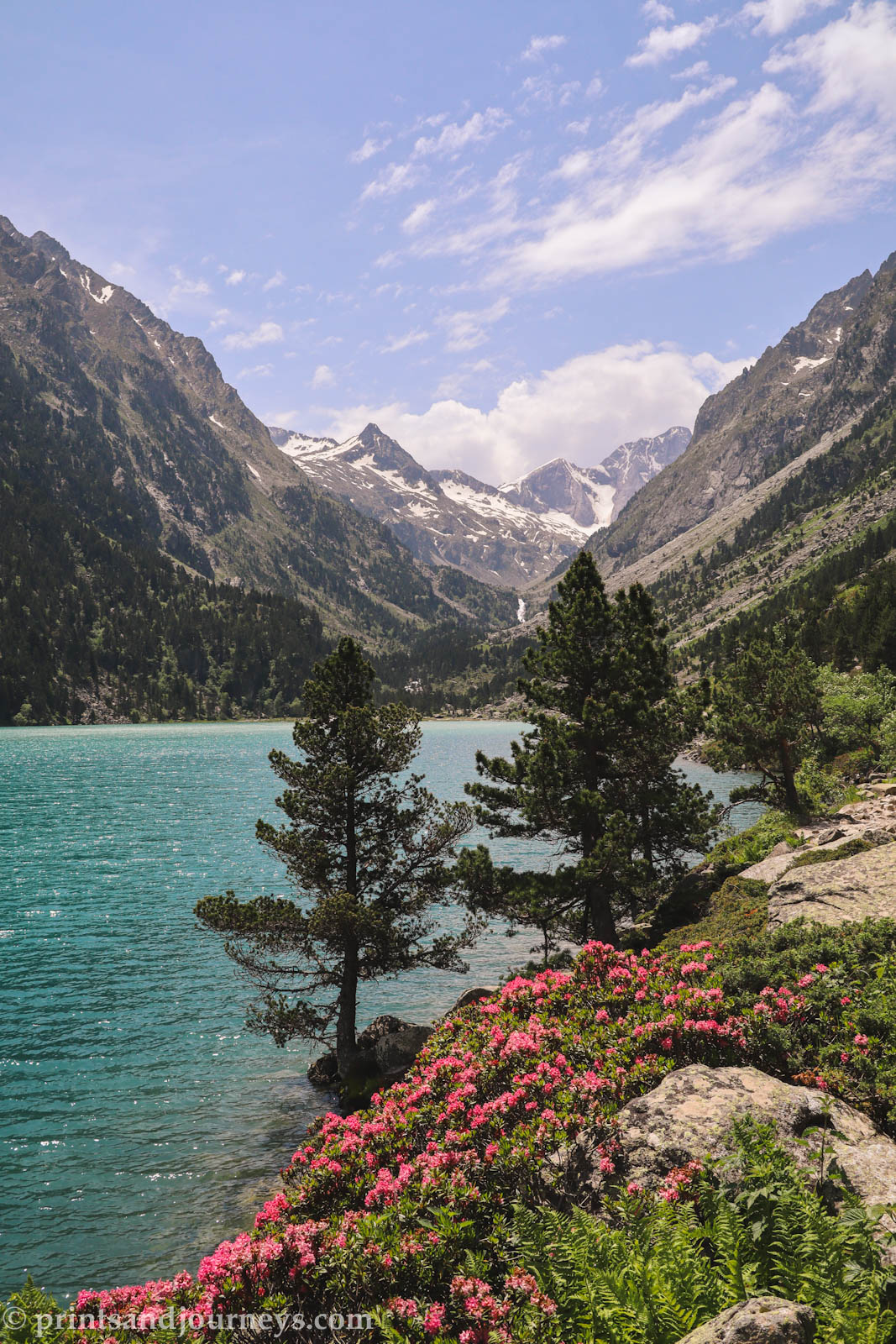
Lac de Gaube was the other hike we did during our two days in the Pyrénées. The weather was dramatic the whole way up: first sunny, then a full-on downpour, then back to blue skies just as we reached the lake. Lucky us! The trail begins with some switchbacks through the forest before opening into a rockier, more spacious path. And then you see it: a big expanse of gorgeously coloured blue-green water, framed by steep, lush green banks and backed by rugged peaks.
You can sit by the lakeshore, follow the right-hand trail for fresh perspectives and closer mountain views, grab a bite at the restaurant up here (we got an overpriced small crepe here, but maybe their other options are better?), or if you’re feeling brave – go for a dip in the cold glacial water! I dare you!
The trail does continue further past the lake and close to the base of the mountains you see in the distance, but we chose to keep it simple. If you want a longer hike, I’d say go for it! On the way back, you can choose to either return the way you came, or for fresh views turn the way of the chairlift, and follow that trail down to the parking lot.
For logistics: set your Google Maps to ‘Parking du Puntas’ (or Pont d’Espagne if that doesn’t appear). Parking costs €8 for the day, though there are a few free roadside pullouts we saw cars parking in (before getting to the lot) if you want to avoid the fee. From the parking lot, you can either hike up or take the gondola + chairlift combo which gets you within about 15 minutes of the lake (check the booth for prices). At the parking lot, take a look at the map and plan your route (I always take a photo of the map before setting out on my hikes)!
🌟 Must Do: whether on the way up or down, make a quick detour to Pont d’Espagne. The short trail leads you to a gorgeous arched stone bridge from 1886, with a roaring waterfall rushing beneath it. Don’t skip it!
Explore the mountain towns & road-trip
The best part about having your own car when travelling is the freedom to stop anywhere that catches your eye, and this is the place to do just that!
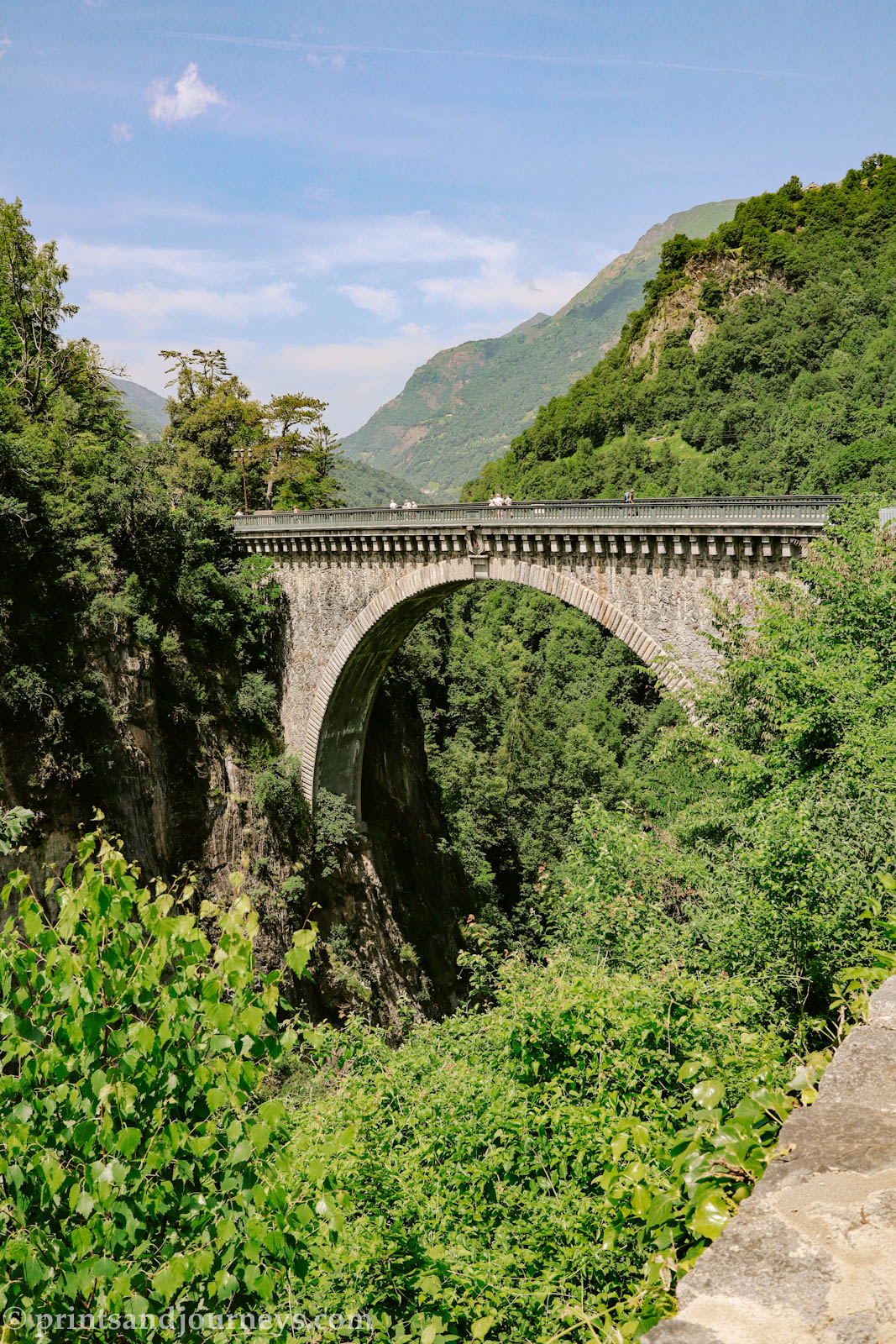
We pulled over at countless viewpoints, dramatic bridges and even found a quiet riverside spot for a picnic with no one else around. Don’t be afraid to follow your curiosity, sometimes the best moments come from turning back to a place you just drove by. One of our favourite spots we discovered this way was Pont Napoleon, an epic arching bridge over a deep lush valley.
The towns and villages scattered through this region are full of charm, with a vibe that reminded us of a smaller Canmore or even some of the villages in the Dolomites. We based ourselves in Lourde which meant plenty of time wandering its pretty streets and discovering the Halles Market, which was our go-to for fresh cheese and meats to pack for picnics. Around town, there are plenty of beautiful vantage points and charming architecture, like the Basilica of Our Lady of the Rosary ⛪ and the Church of Saint Bernadette. For panoramic views, take the Pic du Jer funicular (13.50 €) to the top for sweeping 360° views of Lourdes and the surrounding mountains.
If we’d had more time, I would have loved to explore the Château Fort of Lourdes 🏰 – the castle perched high on a rocky hill. Inside you can dive into the history and traditions of the Pyrénées, wander through its gardens, and take in the incredible views over the town. We also made a stop in Cauterets, where we enjoyed strolling past the cozy shops and ski town vibes. Make your life easier and download my free Google Maps to have all these spots (and more) pinned.
We had such a limited time in the area it left me wanting to come back to do and see so much more!
Best Restaurants in the Pyrenees
Let’s preface this by saying you’re not in Paris anymore, the restaurants here are smaller, fewer and more of a home cooking style but that does not impact taste and we managed to find some really good bites here regardless. We noticed that the hours posted online are not always accurate, so you may need to walk around a bit to find open restaurants off peak hours (between lunch and dinner). Trying the local cuisine is a must in the Pyrenees – these are some food experiences I loved and share in this Pyrenees travel guide.
• O Piment Rouge, Lourdes
This was our best meal in Lourdes. It’s a Basque-style restaurant, and you’re in Basque Country baby! – home to one of the highest concentrations of Michelin-starred restaurants in the world. We enjoyed the 3-course menu for €27.50, with a choice of options for each course, and it was absolutely incredible. To secure a spot, I’d recommend calling ahead for a reservation or stopping by the day before to check their openings.
• Restaurant Pizzeria L’Angelus, Lourdes 🍕
We shared a Regina pizza and the Polpette al ragù pasta – both were delicious, but our favourite was definitely the pasta, the sauce and meat were delicious! Honestly we are pizza snobs and we found the pizza just didn’t come close to the pizza we had in Italy. But the pasta did! We even chatted with the owner, who is from Naples. For dessert, don’t miss the chocolate lava cakes with vanilla ice cream. As lava cake fans, we usually die a little inside when they’re overcooked, but these were perfectly warm, with the gooey lava spilling out just right. They only have a certain amount for the night so if they are all gone I would try the tiramisu.
• l’Abri du Benques, Cauterets
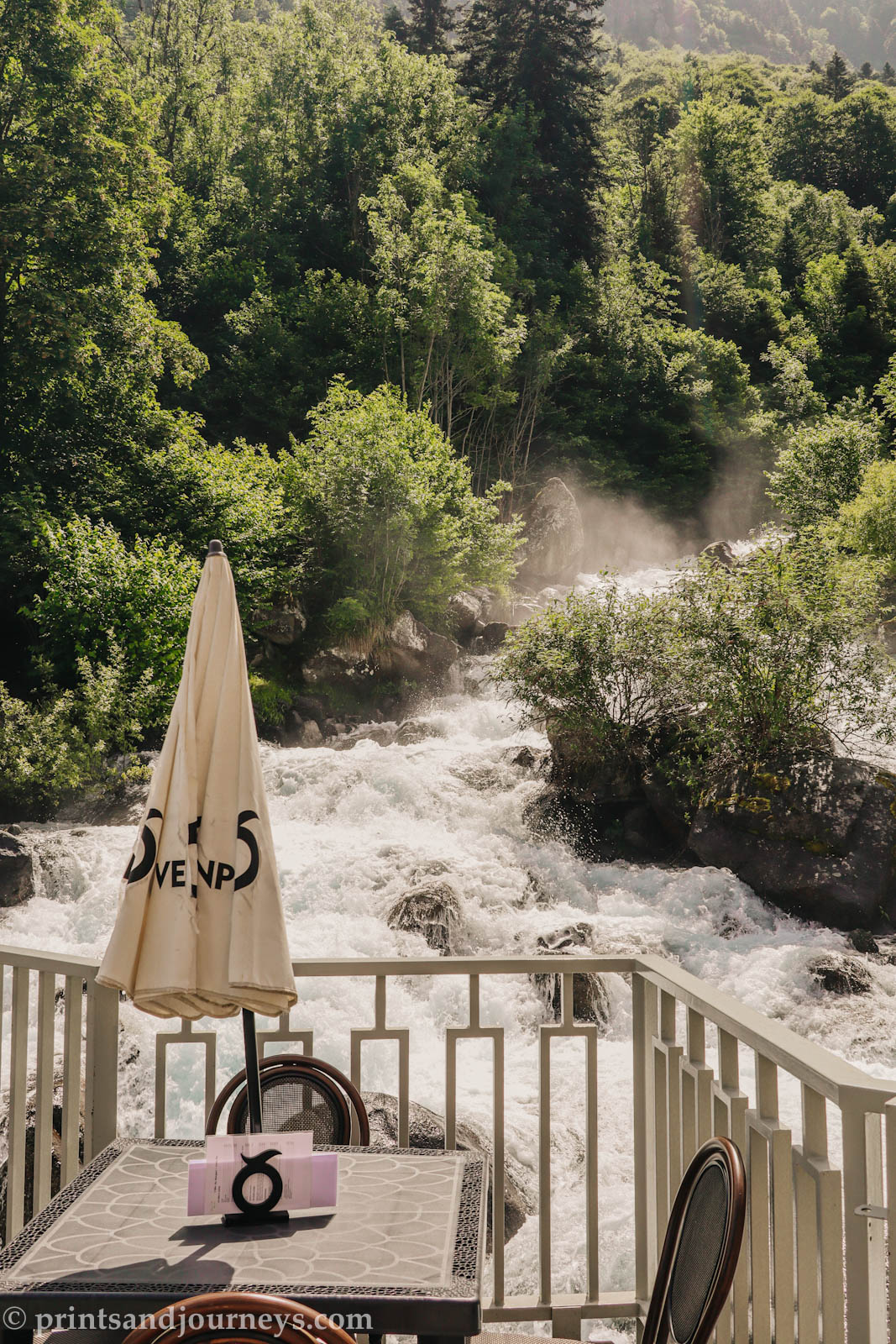
We were walking by when we saw that table (and immediately thought… who is she 👀?!) perched right OVERTOP of a waterfall and we were sold. After hours on the trail, it felt like pure magic to sit in the sun, cool mist on our faces, listening to the rush of the water passing below us. They change the menu often but we just went with what the server suggested and we were not disappointed.. it was delicious and high quality!
• La Crêperie de l’Odet, Cauterets
When we stopped in for an afternoon crepe, the place was quiet except for one woman working behind the counter who cooked everything herself. It had such a rustic, charming feel, like sitting down to a meal at my Oma’s. An old radio played softly in the background, the walls were lined with vintage photos of skiing and mountain life, and the tiny open kitchen added to the cozy, homey atmosphere. You could tell she, and this place, had been a part of the town’s history for a long time. This crêperie is exactly what I want to find when I wander around looking for something so genuinely local and unique. It was special.
• Charcuterie, Everywhere! 🧀
As you drive through the region, you’ll quickly notice that cheese is everywhere. The Pyrenees are famous for their cow, goat, and sheep cheeses, with endless varieties to sample. Roadside shops and local markets or the Halles de Lourdes are perfect places to pick some up for a picnic. Another local specialty to look out for is Noir de Bigorre, or “black pork”, a rare heritage breed prized for its rich, luxurious flavour. We grabbed some ham to snack on, but to truly appreciate it, I’d recommend sitting down at a local restaurant and trying a black pork chop prepared properly.
✨ Note: some of the hikes here, like Cirque de Gavarnie and Lac de Gaube, have restaurants at the top (a cool difference from hiking in Canada). They looked a bit pricey, so we skipped eating there, but I can imagine it would be a memorable experience with those views. We did, however, stop at the Cirque de Gavarnie restaurant for a cheeky mid-hike beer 😉.
Travel & Transportation
How to get to the Pyrenees
For this trip, we did a road trip from Marseille to Biarritz, renting a car in Marseille and dropping it off in Biarritz. Having a vehicle is highly recommended if you want to explore the Pyrénées Mountains – public transportation in the region is limited, and a car gives you the freedom to stop at scenic viewpoints, small villages, and enjoy the peace and quiet the Pyrénées have to offer. Lourdes made the perfect home base for our trip, offering plenty of charm, great restaurants, and a central location for all the places we wanted to visit.
• This option is great if you want to see the key sights without driving, but flexibility is limited.
• Note: local busses only run in the peak season
Option 1: By Car (Strongly Recommended) 🚗
• Renting a car gives you maximum flexibility to explore the mountains at your own pace
• Combine the Pyrénées with nearby highlights like Toulouse, Marseille, Nice, and Biarritz
• Allows you to stop at scenic viewpoints, hidden villages, and off-the-beaten-path areas
• Mountain roads can be narrow and winding, be cautious and allow extra travel time
• If you are from outside the Schengen countries, you will need an International Drivers Permit (IDP) to rent a car. (I got my IDP at our local CAA, where they also take the required photos. It cost around $40 and is valid for one year. If you apply in person at CAA, you receive your IDP immediately. If you need to mail in your application, make sure to do so at least 2–3 weeks before your trip.
• GPS or offline maps are essential in remote areas. We use Google Maps.
• I usually use a third party booking system, like Discover Cars, to get the cheapest price on car rentals. Just double check which agency you’re renting from and make sure it’s reputable first!
Option 2: From Toulouse by Train 🚆
• Toulouse is the closest major international airport and a beautiful place to start your trip. See my Toulouse guide here.
• Take a 2-hour SNCF train from Toulouse to Lourdes.
• From Lourdes, book a day tour to the Cirque de Gavarnie through Get Your Guide or take the local busses to Gavarnie to begin your hike (plan for extra time if using local busses and remember they may not always be reliable).
Option 3: From Paris by Train 🚄
• There are direct high speed trains from Paris to Lourdes that take roughly 5 hours (compared to the 8-9 hours driving)! Compare prices between sites like Omio and Rail Europe
• From Lourdes, you can also join a day tour to the Cirque de Gavarnie, or take the local busses (only run in peak season).
Option 4: Flying into Lourdes ✈️
• If you’re coming from elsewhere in France or nearby Europe, Lourdes has its own small airport – Tarbes-Lourdes-Pyrénées (LDE). It’s just 15 minutes from town and offers flights from Paris, Lyon, and several seasonal European destinations. Flying here can save travel time and makes Lourdes an easy gateway to the mountains if you’re short on days.
Where to Next?
•. By train, the most natural onward journeys are Paris or Toulouse, depending on your route. With a car, you can carry on to the Basque coast for ocean views and seaside towns, or circle back toward Toulouse if you’re heading east.
Best time to explore the Pyrenees
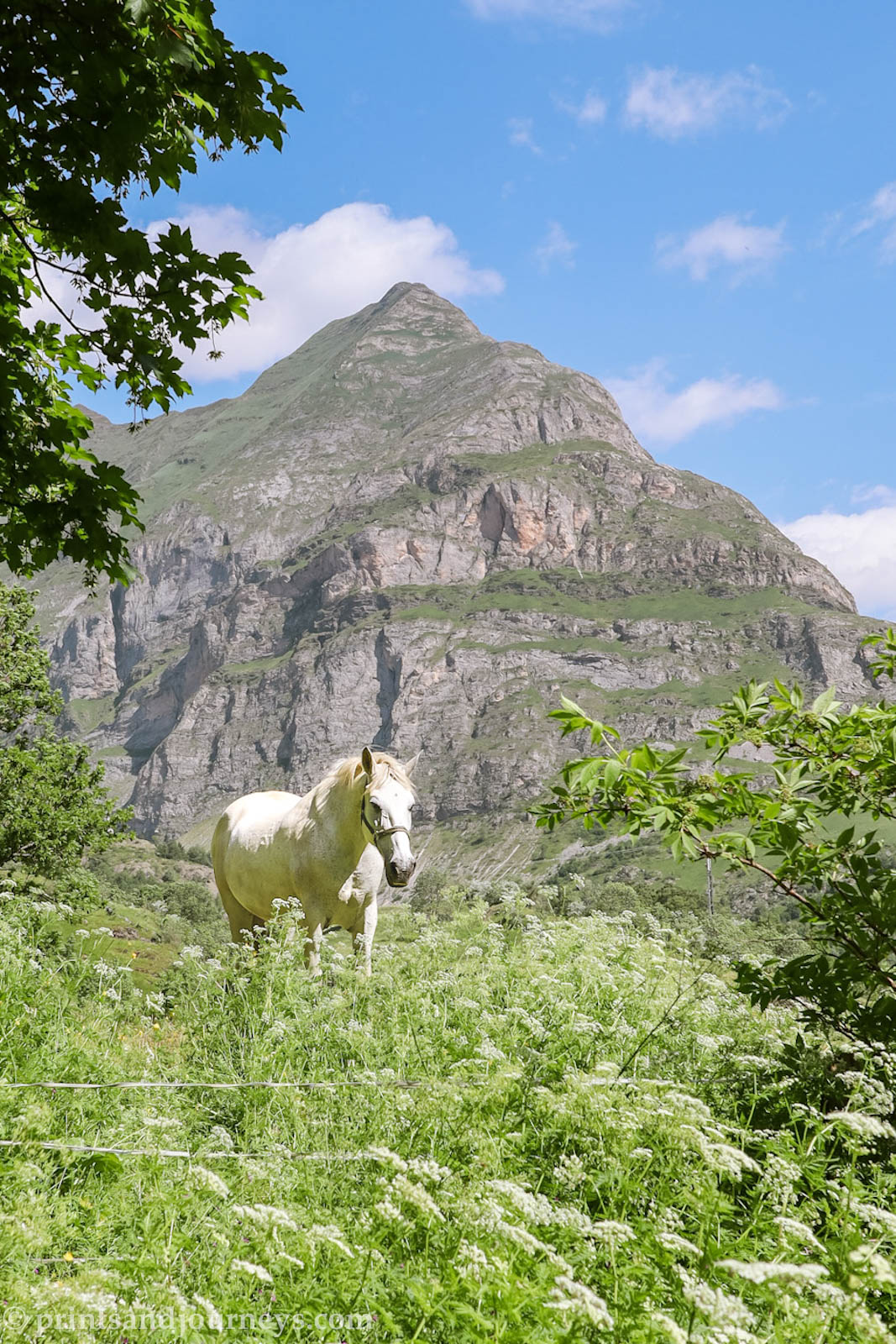
The Pyrénées are beautiful year-round, but the time of your visit will dictate the activities you can enjoy, from hiking to skiing. If your goal is hiking and exploring the mountains, the main factor to consider is snow on the trails, especially for higher-altitude hikes like Cirque de Gavarnie or Pont d’Espagne. We planned our trip in the middle of June and enjoyed perfect weather and quieter trails, making it an ideal time to explore.
Late Spring (May – Early June) 🌱
Lower trails are often accessible, but ⚠️ higher-altitude routes can still have snow. Some paths may require snowshoes or extra caution. If hiking is your priority and you don’t have experience in snowy conditions, it’s best to plan your visit from June onward.
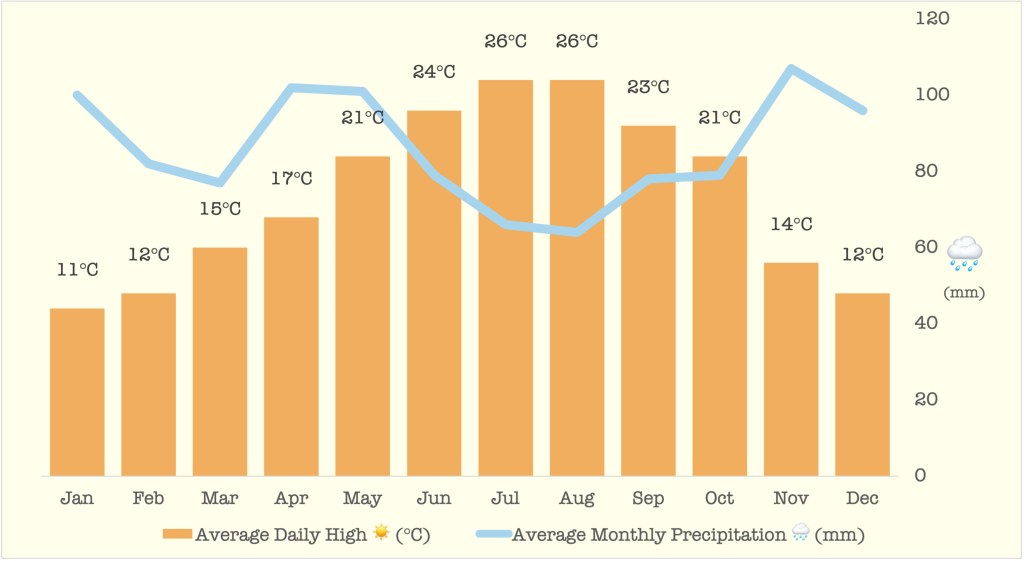
Summer (June – Early October) ☀️
This period generally offers the most reliable snow-free trails, perfect for hiking, multi-day treks, and other outdoor adventures.
Autumn (Mid October – November) 🍂
Lower-elevation trails are usually clear, while snow can start returning at higher altitudes. This quieter season also showcases stunning fall colours, and if you time it right, you might enjoy snow-free trails framed by autumn foliage.
Winter (December – April) ❄️
Most high-altitude trails are snow-covered or inaccessible without specialized equipment, and roads can be tricky. Winter visits are best for ski resorts, snowshoeing, or lower-elevation walks.
💡 Tip: For iconic hikes like Cirque de Gavarnie, plan your visit mid-June or later to avoid snow and enjoy safer, easier access to the viewpoints. If you want the sweet spot of no snow and fewer crowds, plan for June or September.
Where to stay in the Pyrenees
Luckily, accommodation in the Pyrenees is pretty reasonable compared to the other French hotspots like Paris or Nice! I am going to list a few options for you based on your budget and what type of accommodation you usually like to stay in. All of my spots are in Lourdes because I find it the best town to base yourself from, but staying in Gavarnie or other nearby villages is also an option.
🟧 Lourdes Luxury Accommodation (~$200-400 CAD / night) – 4 star hotels
I’ll be honest, Lourdes is a small town so there is not a plethora of 5 star hotels if that is what you are used to, but these are the top finds for more luxurious options in town!
• ⭐️MY TOP PICK: Grand Hôtel Moderne (Lourdes)⭐️ – Built in 1896, this hotel is elegant with classic French architecture and a great central location in town.
• Belfry & Spa by Ligne St Barth – Also old, but the rooms look more modern and you get access to the large outdoor spa and indoor pool.
• Grand Hotel Gallia & Londres – Another old building, with Louis XVI-style décor and a balcony for most rooms. Guests can get access to a hot tub and sauna.
🟧 Lourdes Mid-Range Accommodation (~$100-200 CAD / night)
There are tons of options in this budget range in the Pyrenees. Below I have included a mix of traditional hotels, and VRBOs to pick the style you prefer.
• MY TOP PICK⭐️: Hôtel Alba ⭐️– Self proclaimed “bike hotel”, if you want to rent bikes they have them on offer and if you are cycling around the Pyrenees they have secure and safe storage for your bikes. If you want nothing to do with bicycles, it is still a great spot to stay! Central and clean, 4 star hotel.
• Hôtel Panorama – An affordable 4 star hotel in Lourdes, centrally located with clean rooms.
• Hôtel Esplanade Eden – Centrally located, clean with good reviews!
🟧 Best Lourdes Accommodation for Groups & Families (~$100-200 CAD / night)
If you are travelling with children, couples or a small group of friends going the VRBO route is probably the most affordable and fun for your group. You all get to be in accommodation together, and you save some serious money!
• ⭐️MY TOP PICK: 3 Bedrooms & 3 Bathrooms ⭐️– This apartment is great for a group of 6 or 7. With 3 different bedrooms and sleeping space for 7 within those rooms, and an abundant 3 bathrooms this is a great fit for a group to have privacy and save some serious money on hotel rooms.
• 2 Bedroom (1 Queen room + 1 room with 2 singles) – This apartment is the best bet for families of 4, as your children can stay in their own beds sharing a room together. Also great for a group of 4 friends travelling together.
🟧 Best Lourdes Accommodation for Solo Travellers (~$50-100 CAD / night)
If you are travelling by yourelf, you can always stay in one of the hotels or VRBOs listed above of course. If you are hoping to save a bit of money with your solo travelling, these options below could be a better fit. There are two hostels in Lourdes, but I only included one as the other does not seem to be rated very well.
• ⭐️MY TOP PICK: Lourdes Backpackers ⭐️– Very highly rated, beds come with a privacy curtain and they also offer female-only rooms.
• Hôtel La Source – 3 star hotel that offers single rooms with a single bed.
• Hotel du Commerce et de Navarre – 2 star hotel that offers single rooms with a single bed for a great price.
Frequently Asked Questions
How many days should I spend in the Pyrenees?
It depends! We were able to hike Lac du Gaube and Cirque de Gavarnie in 2 days, but it was rushed and more time would have been nice. For hiking multiple trails or visiting several valleys/towns, plan 3-7 days to fully enjoy the region.
Is the Pyrenees safe for solo travellers or families?
Yes!
The region is generally very safe and I felt very comfortable even at night. If you are hiking alone, make sure to let someone know your plan and make sure you pack the essentials.
Many short hikes, scenic drives, and cultural experiences make the region accessible for kids of all ages.
Can I drink the tap and river water?
Yes, tap water is generally safe to drink in towns and villages. I would not drink the river water myself, it’s best to bring your own water or treat it if unsure.
What other activities can I do besides hiking?
You can ski (winter only), cycle, watch wildlife, road trip, visit thermal baths, explore medieval villages, and enjoy local markets.
Are there any costs associated with hiking in the Pyrenees?
Almost all hiking trails are free to access. Some mountain refuges or guided tours charge fees, and parking in certain towns or trailheads have a small fee.
Do I need cash in this area, or can I pay by card?
Cards are widely accepted in towns and larger villages in France, Spain, and Andorra, but some small shops, local markets, or remote trail parking may require cash. It’s a good idea to carry some euros just in case.
Interactive Pyrenees Map
Save this interactive Pyrenees map to your Google Maps