Ultimate Marseille Travel Guide: Best Things to Do + Tips
Last Updated: June 2026
Marseille is France’s oldest city and one of its most vibrant, sitting where the Mediterranean meets a mix of cultures, history, and everyday grit. It’s a place of sun-bleached streets, colourful markets, salty sea air, and neighbourhoods that feel alive at all hours, from the Old Port to the clifftop Calanques. With incredible food, easy access to beaches and nature, and a personality that’s proudly rough around the edges, Marseille rewards travellers who are curious, open-minded, and ready to explore beyond the obvious. Explore my Marseille travel guide to get all the info to plan an awesome time in the city! Check out my 10 best things to do in Marseille list for more vibes.
This post may contain affiliate links. I only include links to sites and services that I genuinely use or recommend after careful research, and you will never pay more by using them.
Marseille Travel Essentials
Know before you go (important):
• Marseille is generally safe for visitors, especially in central tourist areas. Be aware of pickpocketing in busy areas and avoid wandering unfamiliar neighbourhoods late at night.
• Expect slower service at restaurants – meals are meant to be enjoyed, not rushed. Ask for the bill when you’re ready to leave because it will not be offered to you usually.
• Don’t rely on last-minute taxis. Ubers and taxis can be scarce or slow during peak season, book ahead if you’re on a schedule.
• Marseille is rough around the edges, and that’s part of the charm. Don’t expect a polished Riviera town. Go in with an open mind and you’ll love it.
• Fire risk affects hiking access. In summer, parts of Calanques National Park may close on high-risk days, always check access rules the morning you go.
• Pack swimming shoes. Many Marseille beaches are rocky, not sandy, and water shoes make swimming far more enjoyable.
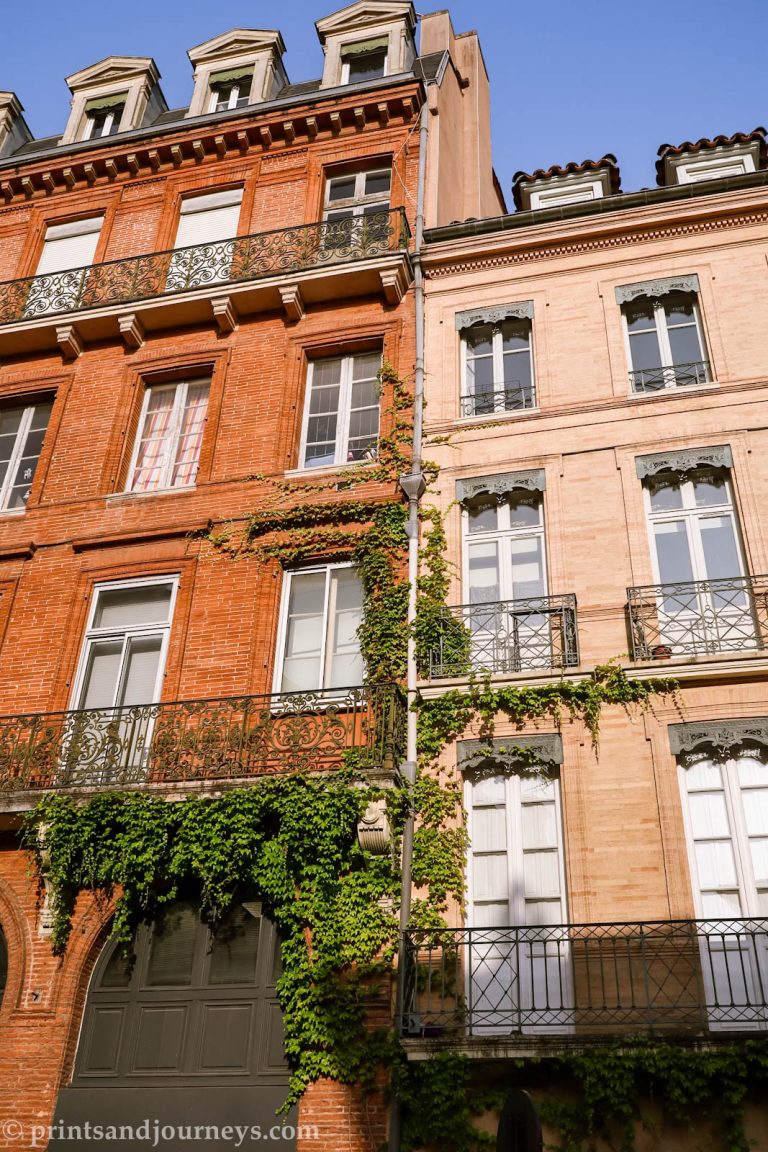
Are you wondering where to go after Marseille? We started our 2 week France road trip in Marseille, and our next stop was the gorgeous, floral scented Toulouse (a ~4 hour drive/train away and a totally different vibe than Marseille). Other cool nearby spots: Nice, Aix-en-Provence, Cassis & Barcelona.
Top Things to do in Marseille
*Check out my full 10 Best Things to do in Marseille list to see even more amazing things to do while you’re in town.
Take a boat tour or go for a hike in Calanques National Park
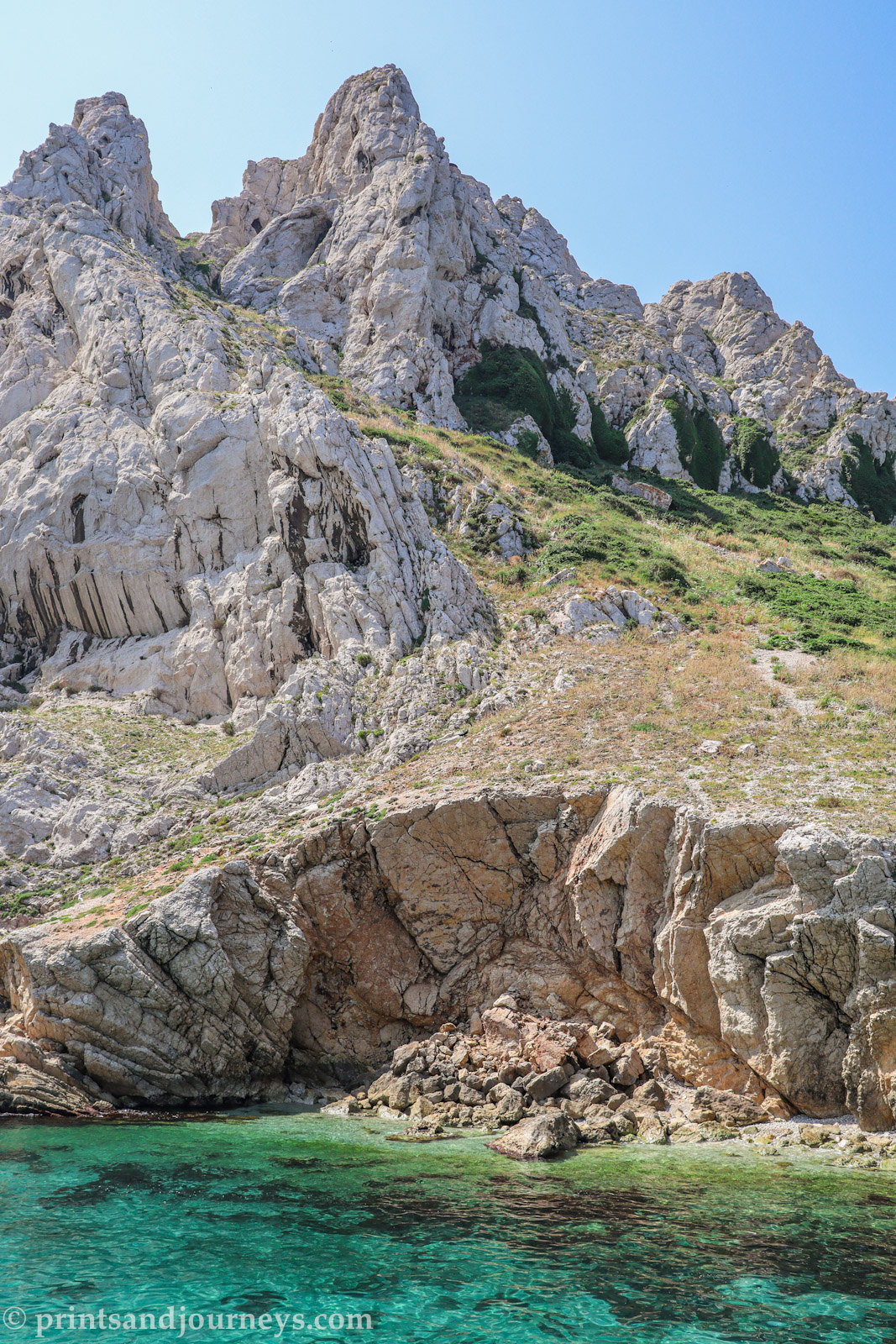
One of the absolute highlights of visiting Marseille is spending time in Calanques National Park, a dramatic stretch of white limestone cliffs plunging into unreal shades of turquoise blue water just outside the city. Whether you explore by boat or on foot, this is one experience you shouldn’t skip and was my favourite thing to do in this Marseille travel guide!
If you want the most effortless way to see the Calanques, a boat tour from the Old Port (Vieux-Port) is a fantastic option (and the option we chose!). These tours cruise past multiple calanques, giving you jaw-dropping views of the cliffs from the water, and many include swimming stops in sheltered coves when conditions allow. Prices vary a lot depending on the boat tour you choose, from budget-friendly €25 sightseeing cruises to €400+ for a private boat. We were actually in Marseille for a wedding, and went with a big group on one of the large tour operators for a cheaper price but unfortunately no swimming stops. If I were to do it again, my top pick after researching would be a half day catamaran tour. You get to swim in the Calanques, a catamaran sounds like a peaceful way to travel, and it’s still affordable at €79. Plus on some tours you can even paddle board! If that’s not your vibe, Marseille has plenty of other tour operators to choose from. Just be sure to book a few days ahead to lock in your spot!
For a more active adventure, hiking in the Calanques lets you get up close to the rugged landscape. Well-marked trails lead to stunning spots like Calanque de Sugiton, Morgiou, and En-Vau, where you’ll be rewarded with panoramic views and some of the clearest water on the Mediterranean. Just be sure to bring plenty of water, wear proper footwear, and check access restrictions – hiking is sometimes limited during summer due to fire risk.
Wander the Vieux-Port (Old Port)
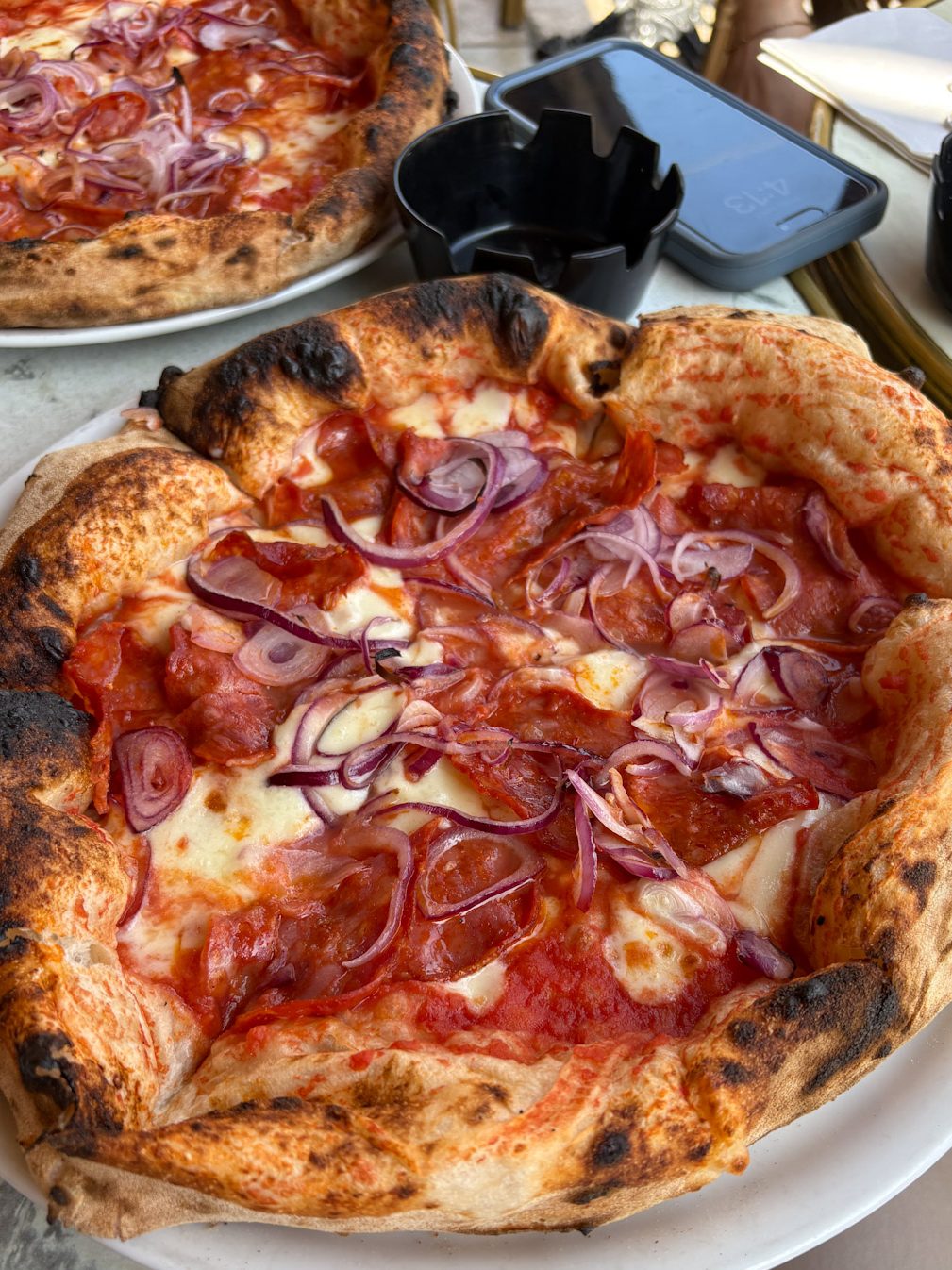
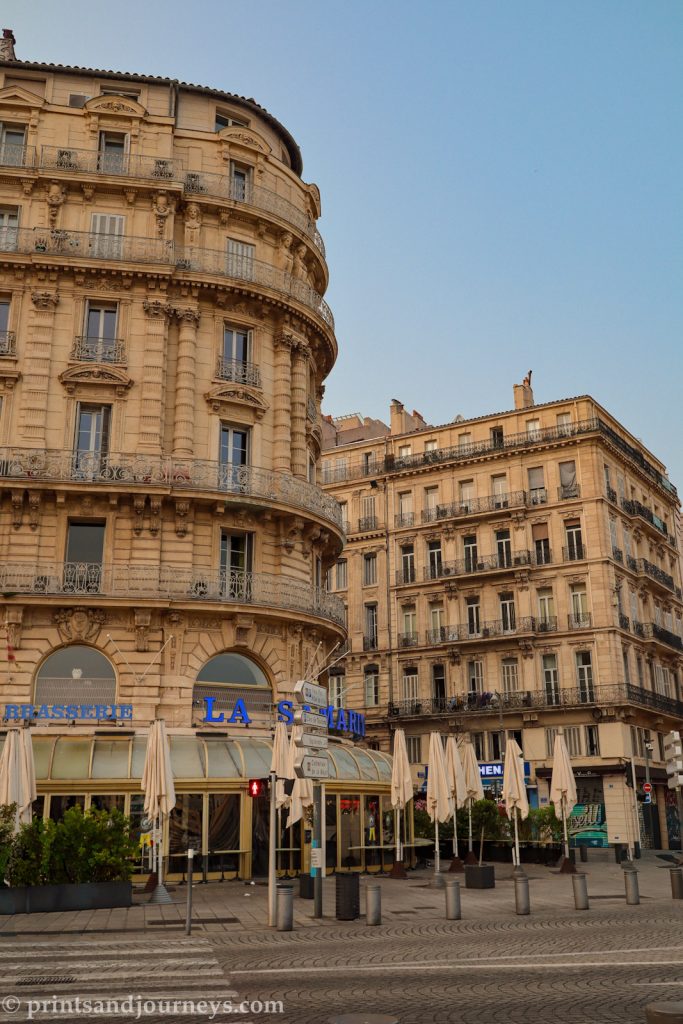
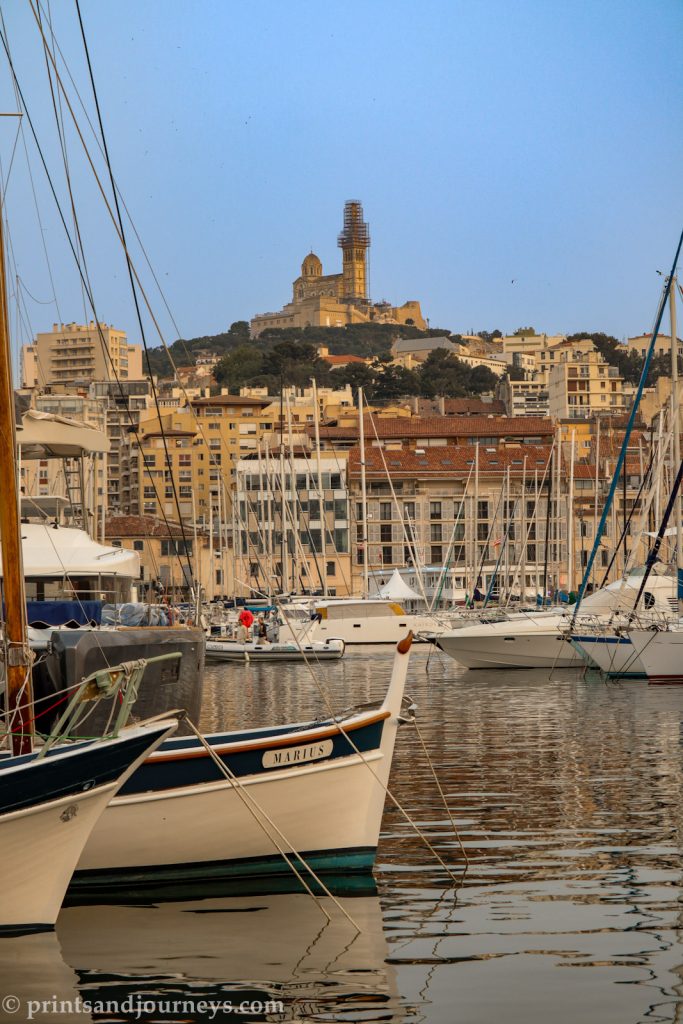
The Vieux-Port is Marseille’s lively heart – watch fishing boats (and the massive yachts!), sit on a patio, and snap photos under the mirrored ceiling at Les Terrasses du Port. Wander nearby streets for bars, shops, and street performers, or stay by the water to watch the sunset over the harbour. This is the heart of Marseille, and the neighbourhood we stayed in while we visited. It’s a great base with tons of dining options and a lively atmosphere – watch out for tourist traps here and look up reviews for food before eating. We actually had the best pizza of our France trip here that we went back for a few times 😂. Check out 500 Degrés Pizza, it’s in this little food hall that has a bunch of other options as well and you can sit along misted patios and people watch.
Another local spot we loved in the neighbourhood is called La Ruche, it’s this tiny little wine bar with a vibrant late night atmosphere and creative cocktails.
Visit Basilique Notre-Dame de la Garde
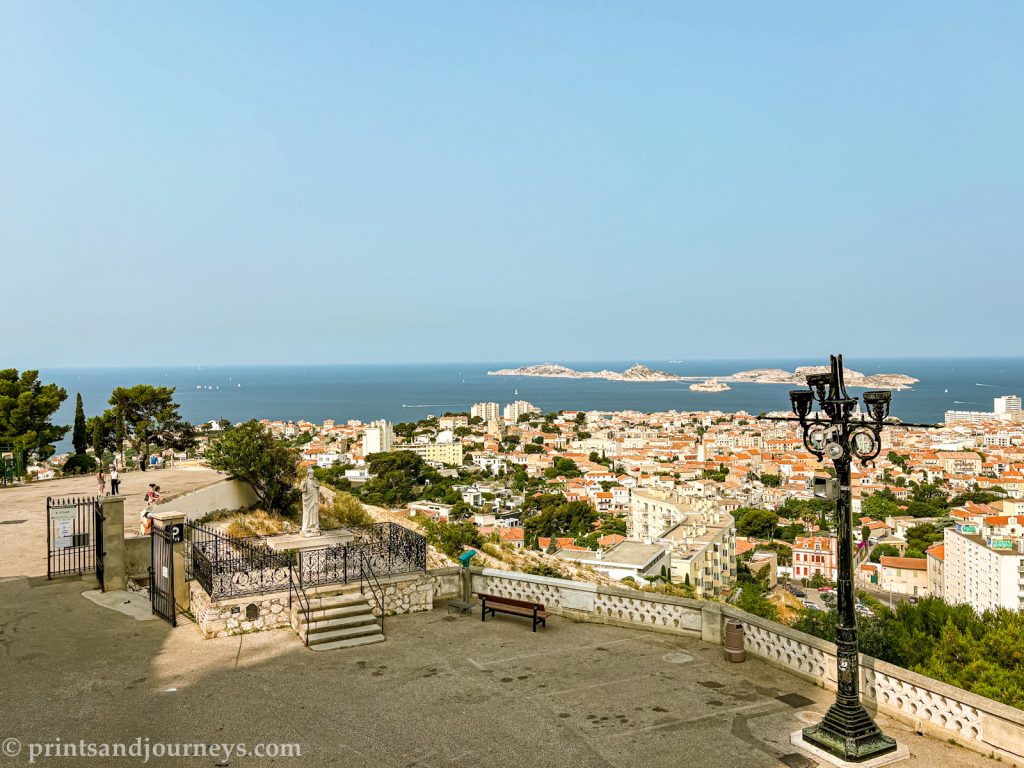
Perched high above Marseille, Notre-Dame de la Garde offers unbeatable panoramic views of the city and sea. The uphill walk from the Old Port takes about 20–30 minutes, or you can hop on a bus or small tourist train if you want to save your legs. The basilica itself is stunning inside and out, and the terrace is perfect for photos.
Spend the day at the beach 🌴
Marseille has several beaches for sun, swim, and relaxation, all within a short drive or tram ride from the city:
- Plage des Catalans – Classic city beach, right by the Old Port, lively and convenient.
- Plage du Prado (my fave)– Long sandy stretch, popular with families and locals, about 10–15 min drive.
- Plage de la Pointe Rouge – Calm waters, great for swimming or paddleboarding, 15–20 min from the city center.
- Plage de l’Estaque – Quieter, more local vibe, good for scenic sunsets, ~20 min drive.
Whether you want a quick dip after wandering the city or a full day lounging by the Mediterranean, there’s a beach for every mood. Check out the interactive Marseille map for even more beach options to go to.
There’s a lot more to do in Marseille, check out my Top Things to do in Marseille Guide for a full list!
How to get to Marseille
Marseille sits on France’s southern Mediterranean coast, making it a perfect base for exploring Provence or the French Riviera. For our trip, we arrived by train from Paris, which was quick and hassle-free, but if you’re road-tripping along the coast, driving gives you a lot of flexibility to explore nearby towns like Cassis or Aix-en-Provence. Marseille itself is compact enough that you don’t need a car to get around the city centre. Here are the main travel options:
Option 1: By Train 🚆
- Paris to Marseille by train: The TGV high-speed train gets you from Paris to Marseille in about 3.5 hours on a direct route. We took this train and found it seamless — comfortable seats, onboard amenities, and stunning views of Provence along the way.
- Nice or Avignon to Marseille: Regional TER trains are fast and frequent, taking around 2–3 hours.
- From Spain: Trains from Barcelona take around 4–5 hours with a transfer in Perpignan.
Compare schedules and prices on Omio, Trainline, or SNCF.
Option 2: By Car 🚗
Driving to Marseille is straightforward, and having a car is perfect if you want to explore Provence, the Calanques, or coastal towns like Cassis. The city centre has some traffic and parking can be limited, but it’s manageable if you plan ahead.
If you’re from outside the Schengen zone, you’ll need an International Drivers Permit (IDP) to rent a car. In Canada, you can get one at your local CAA for around $40 — valid for one year and issued immediately if you apply in person.
Option 3: Flying in ✈️
Marseille Provence Airport (MRS): About 25 minutes from the city centre, with direct flights from Paris, London, Brussels, Amsterdam, and many other European cities. From the airport, you can take a shuttle, taxi, or rental car into the city.
Option 4: By Bus 🚌
Companies like Flixbus or BlaBlaBus connect Marseille to cities all over France and Europe, use BusBud to compare prices and book. Buses are usually cheaper than trains but take longer, making them a good option if you’re traveling on a budget.
After Marseille, travel onwards to spots like Nice, Toulouse (we went to Toulouse next on our way to the Basque Coast!), the Pyrenees Mountains or even Barcelona or Paris. Check out my 2-3 week France trip guide for all your options.
Getting Around Marseille
Picture this: two girls dressed to the nines for a wedding, high heels and all, frantically running around the Old Port looking for a taxi 😅. Getting around Marseille turned into quite the adventure, for the life of us, we couldn’t find a taxi, an Uber, or a bus to the wedding we were trying to get to. Luckily, after starting to walk toward the venue in defeat, we finally hailed a cab and made it just in the nick of time – thank goodness!
All this saying, if you are taking a taxi or rideshare and need to be somewhere at a certain time, make sure to book in advance because we found Ubers usually had a wait time of 30+ minutes in the heart of summer and taxis at times were hard to find (though to be fair other times were easy to find?). The way of the wild Ubers and taxis in Marseille remains a mystery to me, just learn from us and leave early if you have somewhere important to be!
• Public transport: Metro, trams, and buses cover most of the city; tickets and day passes are affordable.
• Walking: Easy and enjoyable in the Old Port, Le Panier, and nearby beaches. A totally walkable city!
• Bike & e-scooter rentals: Popular for short trips and exploring at your own pace. We took the e-scooters out to Plage du Prado with no problems along the bike path. You can even use your Uber app to connect to the lime e-scooters.
• Taxis & rideshares: Convenient for evenings, longer trips, or when you want to save time.
When to Visit Marseille
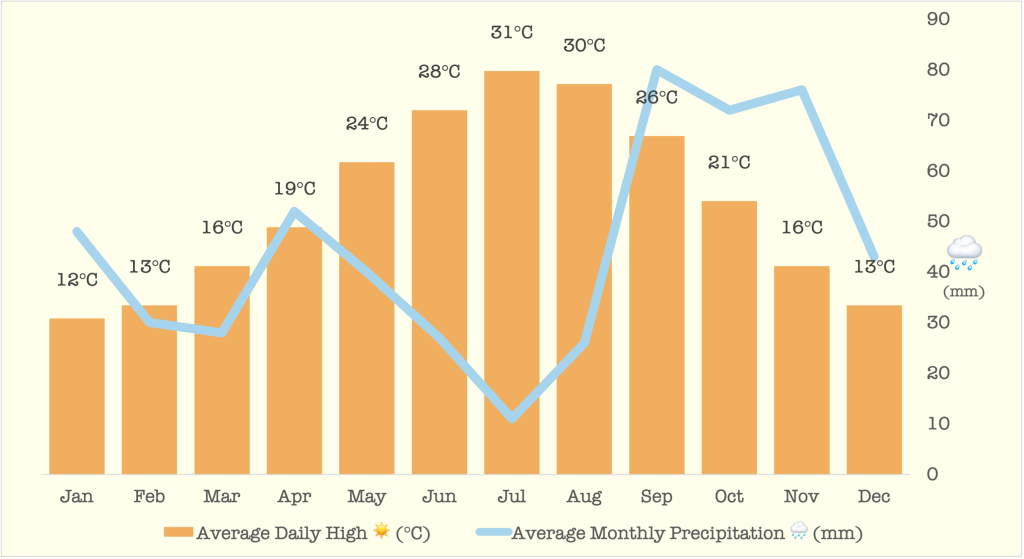
Marseille enjoys a Mediterranean climate, which means hot, sunny summers and mild winters, perfect for beach days, exploring the Calanques, or wandering the city streets. We went to Marseille at the very beginning of June and enjoyed hot weather and a lively atmosphere that did not feel too overwhelming.
Winter (December – February) ❄️
Winter (November–February): Winters are mild, with daytime temperatures around 10–15 °C (50s °F). Rain is more frequent but rarely lasts all day. This quiet season is ideal for museums, historic streets, and seaside strolls without crowds, with a cozy, authentic feel.
Tip: If you want to combine beach time with sightseeing, spring is the sweet spot, sunny, warm, and less crowded than peak summer.
Spring (March – May) 🌱
Spring in Marseille is fresh and far less crowded than summer. Temperatures sit in the mid-teens °C (high 50s–60s °F), with occasional showers, a light rain jacket comes in handy. Sunny afternoons are perfect for wandering the Old Port, exploring Le Panier, or taking a cliffside walk in the Calanques. Flowers bloom in public squares, and vibrant street art adds extra charm.
Summer (June – August) ☀️
Summer is warm, sunny, and buzzing with life. Daytime temperatures often hit the high 20s–low 30s °C (80s–90s °F), ideal for beaches and boat trips. The Calanques are beautiful but busy, so plan ahead. Outdoor cafés and sunset views at the port capture the quintessential Marseille vibe.
Autumn (September – November) 🍂
Fall offers good weather and smaller crowds. Temperatures are still warm (mid-20s °C / mid-70s °F), and the sea is pleasant for swimming. September brings a lot of rainfall though! Golden autumn tones make coastal walks and nearby towns like Cassis or Aix-en-Provence perfect for photography.
Where to next? Head north a few hours to the peaceful, floral scented Toulouse for a complete vibe switch. Or head north-east to the Pyrenees mountains for a nice dose of nature. Continue along the coast to Nice, or head west to Barcelona. There’s a lot to choose from!
Where to Stay in Marseille
Marseille is a big, energetic city, so choosing the right neighbourhood matters. For a first visit, staying near the Vieux-Port is the easiest base, with transport links, restaurants, and sights all close by. If you’ve been before, the Park Borély region may be more peaceful for you, closer to the beaches and out of the hectic city.
Frequently Asked Questions
Can I drink tap water in Marseille?
Yes! Pack a reusable water bottle to save money and the planet 🙂
What is the Marseille city pass and should I buy it?
The Marseille City Pass bundles public transportation with free or discounted entry to top attractions and includes a boat ride in the Old Port or to the Frioul Islands. It’s worth it if you plan to visit museums, use transit often, and take a boat trip; if you’re more into beaches and wandering neighbourhoods, you can likely skip it.
What food should you try in Marseille?
Don’t miss bouillabaisse, panisse (chickpea fries), navettes (local biscuits), fresh seafood, and North African-influenced dishes that reflect the city’s multicultural roots.
Is English widely spoken in Marseille?
English is spoken in tourist areas, hotels, and restaurants, but less so than in Paris. Learning a few basic French phrases goes a long way and is appreciated.
Where should you stay in Marseille?
The Old Port, Le Panier, Endoume, and Cours Julien are popular areas for first-time visitors. These neighborhoods are central, lively, and close to major attractions.
How many days do you need in Marseille?
2–3 days is perfect to see the highlights, while 4–5 days lets you add beach time, Calanques hikes, and a boat trip. It also works well as a base for day trips.
Interactive Marseille Map
Save this interactive Marseille map to your Google Maps